
Edited by: Syifa Djuita Putri
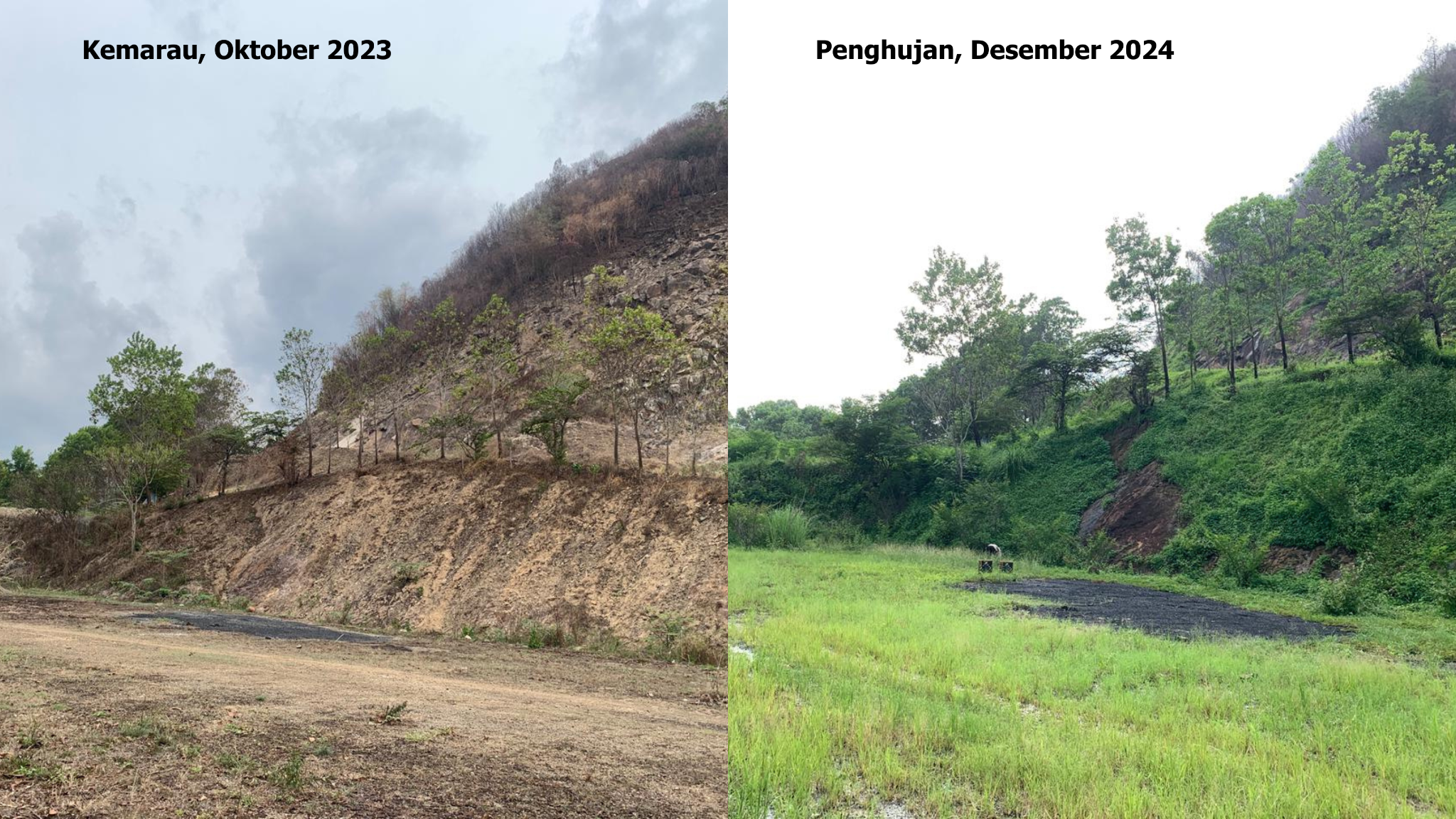
Jatinangor, April 2026 — The Faculty of Agriculture at Universitas Padjadjaran (Faperta Unpad) has initiated the development of a former sand and stone mining site in Rancabawang, Tanjungsari District, Sumedang Regency, into a field-based educational space. The area, previously affected by environmental degradation, is being transformed into a natural laboratory to support teaching and research activities. This initiative addresses the need for contextual learning that integrates theory with direct field practice. It also represents a concrete effort toward science-based environmental rehabilitation.
The area, known as Gunung Batu, covers approximately 14 hectares and is characterized by volcanic parent material at an elevation of around 930 meters above sea level. Mining activities that took place over five years were halted more than a decade ago due to significant ecological impacts. These impacts included declining environmental quality, degraded soil structure, and reduced water availability for surrounding communities. Approximately 1 hectare of land was severely affected, with disrupted vegetation and declining soil conditions. This situation makes the site highly relevant for research-based land rehabilitation efforts.
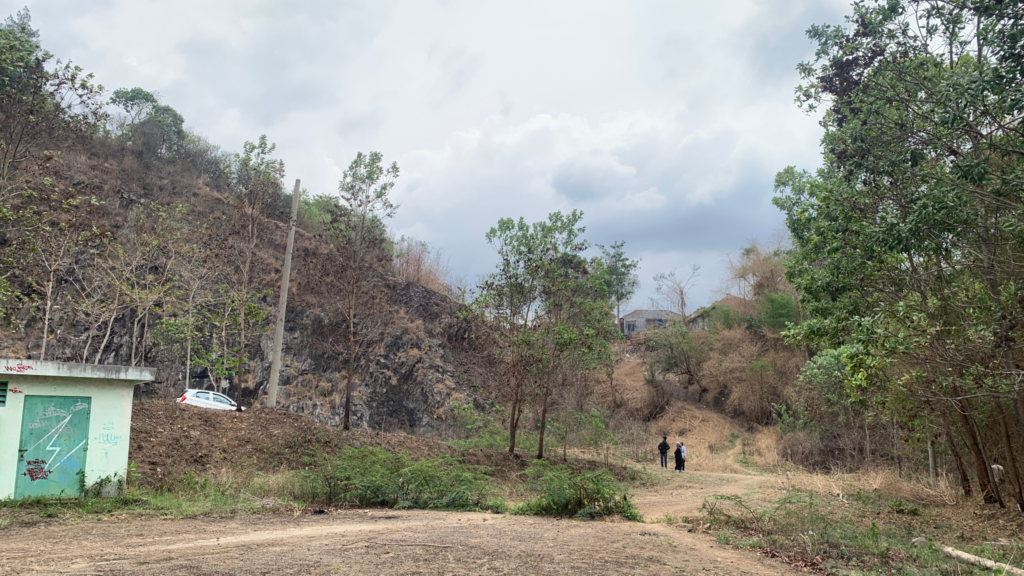
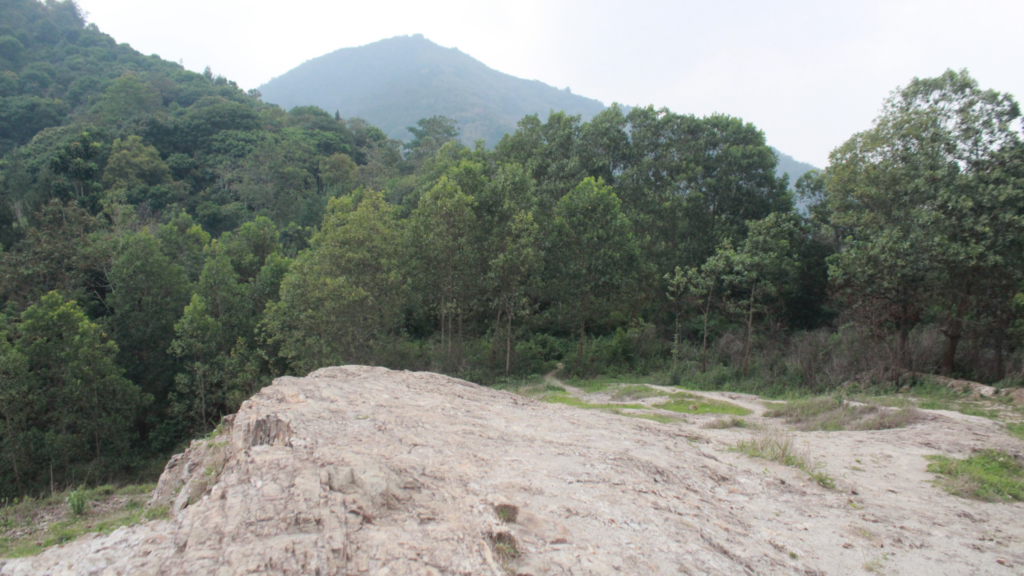
Geographically, the site is strategically located only about 2 kilometers from the Faperta Unpad campus in Jatinangor. The landowner, the Ronald Pallencaoe family, has entrusted the faculty with long-term management of the area. This agreement opens opportunities to integrate academic functions with environmental restoration. The former mining land can thus serve as both a learning medium and a research object. This initiative reinforces the role of higher education institutions in sustainable natural resource management.
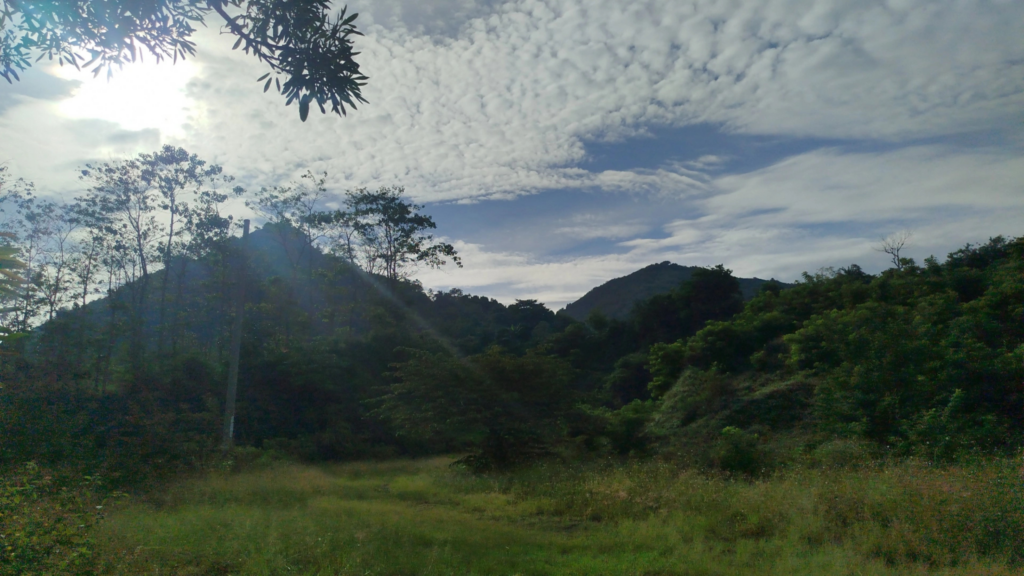
The Dean of Faperta Unpad, Dr. Ahmad Choibar Tridakusumah, SP., M.P., stated that the area will be developed as an open laboratory for lecturers and students. Initial development focuses on land cover inventory, soil property analysis, and the formulation of ecologically based rehabilitation strategies. These steps are essential to understand ecosystem conditions affected by past anthropogenic activities. A scientific approach is expected to produce appropriate land management recommendations. As a result, the rehabilitation process can be implemented effectively and sustainably.
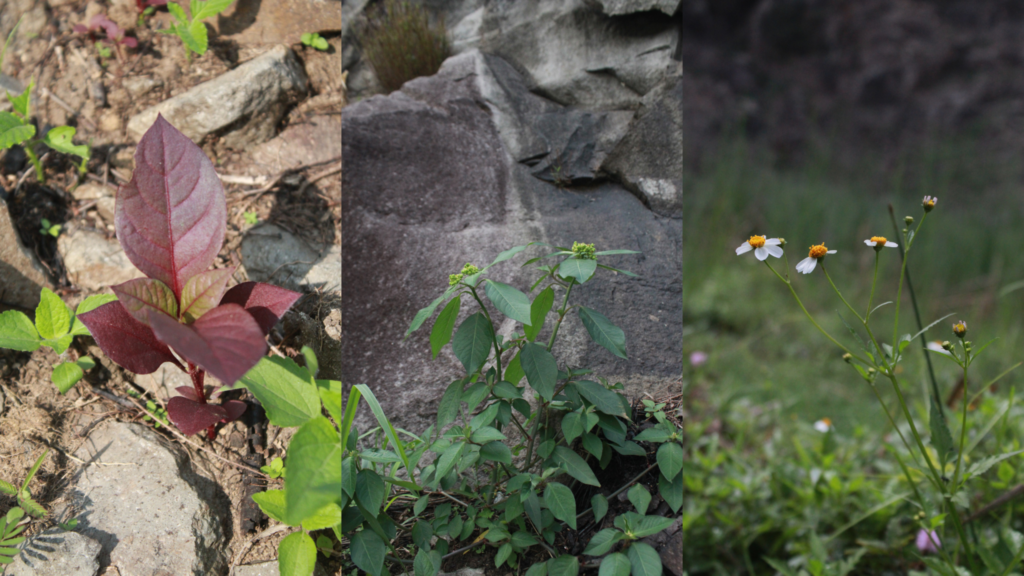
Currently, academic involvement remains at the preliminary assessment stage conducted by the Center for Land Resource Management Systems. The research includes soil characterization and the identification of pioneer vegetation and invasive species as indicators of ecosystem conditions. In the future, the management of this area will involve more departments and student organizations. One of them is the Mahatva Mountain Climbing Group, which is expected to contribute to exploration and conservation activities. This collaborative approach is essential for sustainable land management.
Dalam pengembangannya, kawasan ini direncanakan menjadi “Hutan Pendidikan Fakultas Pertanian Unpad” yang mengintegrasikan aspek ekologis, sosial, dan edukatif. Program ini menekankan rehabilitasi lahan dan pengelolaan agroekosistem secara berkelanjutan meskipun tidak berada dalam program studi kehutanan. Dukungan masyarakat dan pemerintah setempat menjadi faktor penting dalam menjaga keberlanjutan program ini. Inisiatif ini sejalan dengan Sustainable Development Goals (SDGs), khususnya SDG 4 (Quality Education), SDG 13 (Climate Action), dan SDG 15 (Life on Land). Dengan demikian, transformasi kawasan ini tidak hanya bernilai akademik, tetapi juga berkontribusi strategis terhadap keberlanjutan lingkungan dan ketahanan ekosistem jangka panjang.
 English
  Indonesian