
Author: Nuraini Fitri Aribah
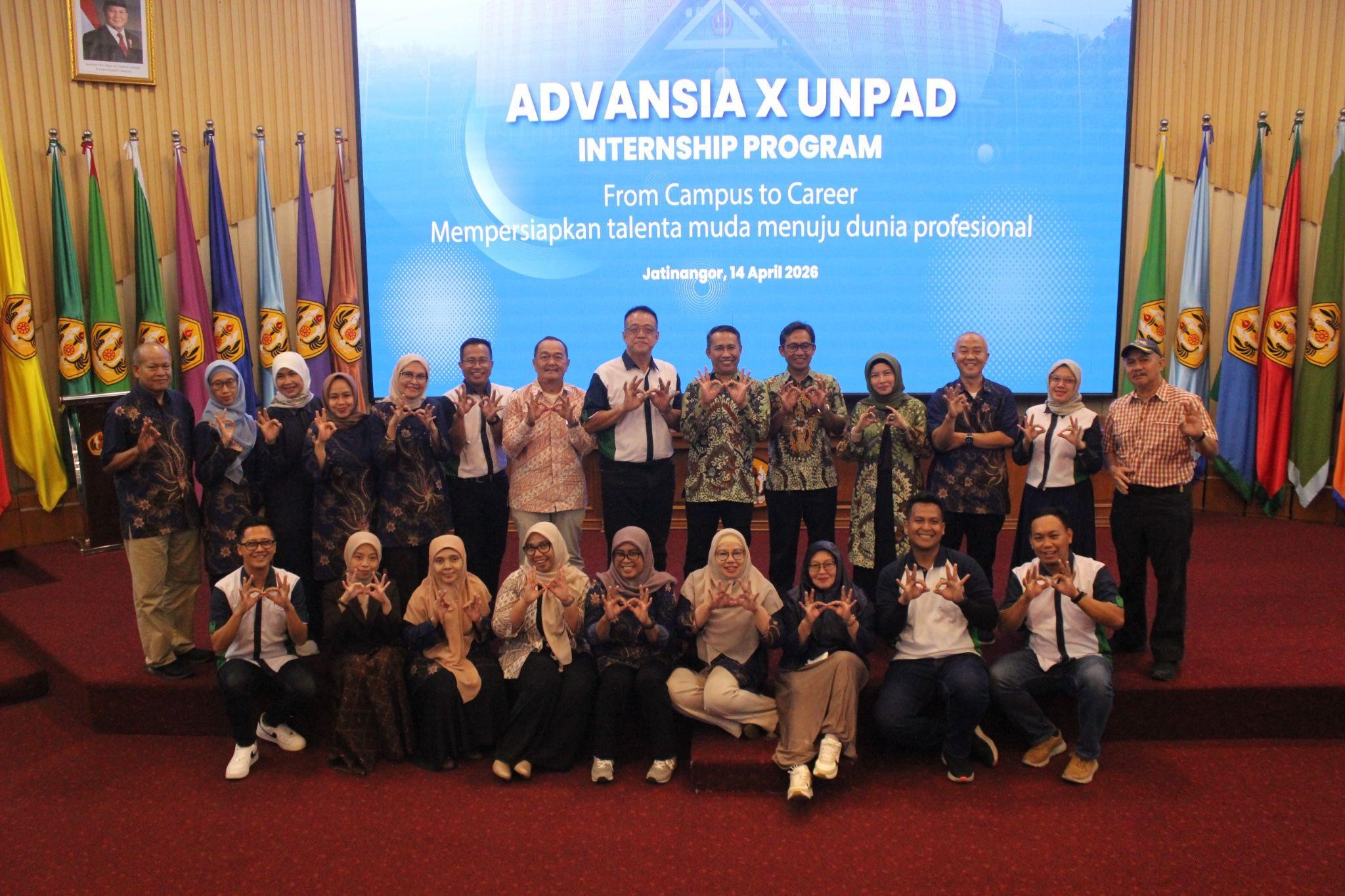
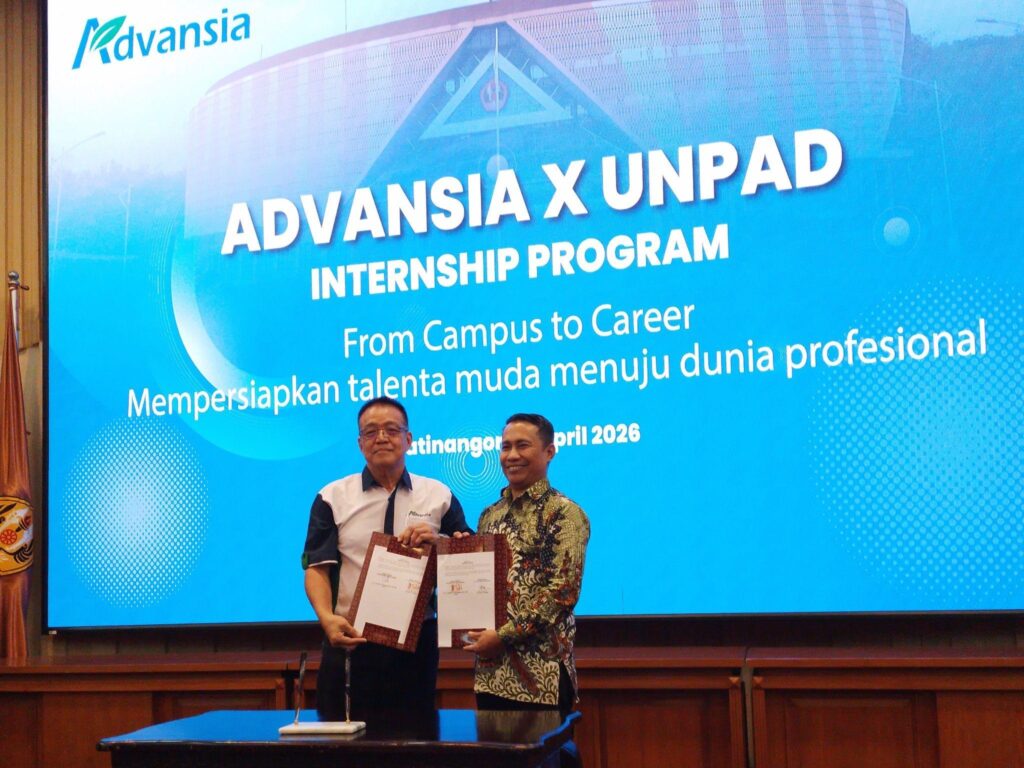
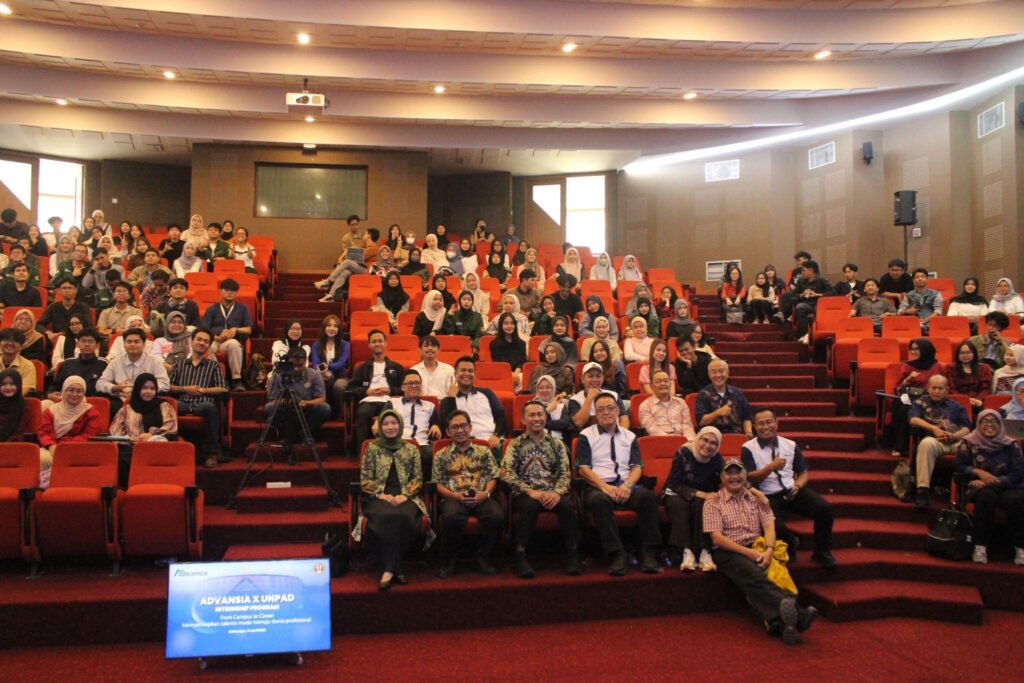
Jatinangor, April 14, 2026 — The Faculty of Agriculture, Universitas Padjadjaran, in collaboration with PT Advansia Indotani, organized an event titled “ADVANSIA x UNPAD: From Campus to Career” on Tuesday, April 14, 2026, held at Bale Sawala, Rectorate Building of Universitas Padjadjaran. The event served as a formal forum for the signing of an internship program partnership agreement, as well as a knowledge-sharing session in the form of a scientific seminar themed Preparing Young Talents for the Professional World. This initiative represents a strategic synergy between academia and the agribusiness industry. The collaboration was officially inaugurated by the Dean of the Faculty of Agriculture, Universitas Padjadjaran, Dr. Achmad Choibar Tridakusumah, S.P., M.P., and was attended by key executives of PT Advansia Indotani, including Mr. Lam Chin Hee as President Director, Eldy Sofyan as Head of Human Resources & General Affairs, and Suhendi as National Sales Manager. The event comprehensively addressed career opportunities, graduate competencies, and the implementation of internship programs as a bridge to the professional workforce. It was attended by students of the Faculty of Agriculture, Universitas Padjadjaran, as well as academics with an interest in modern agriculture and professional career development.
In his presentation, Suhendi explained that the company’s operations extend beyond product distribution to include intensive engagement with farmers through agricultural extension activities, field discussions, and collaboration with agricultural retailers and other stakeholders. He emphasized that the company integrates innovative approaches such as digital campaigns, partnerships with public figures, as well as training and team-building initiatives. This aligns with the company’s role in delivering integrated agricultural solutions to enhance productivity and sustainability in the agricultural sector. Suhendi also highlighted the importance of collaboration among industry, educational institutions, and government in strengthening research and its practical implementation in the field.
Meanwhile, Eldy Sofyan underscored that university graduates are required not only to possess academic competence but also a balanced combination of hard skills and soft skills. He stated that technical expertise must be complemented by intrapersonal and interpersonal abilities, as well as professional attributes such as discipline, responsibility, work ethics, and teamwork. In the context of an increasingly dynamic labor market, internship programs are regarded as a strategic platform for students to enhance their competencies, build self-confidence, and gain relevant work experience. Furthermore, such programs provide benefits for companies in acquiring skilled and trained human resources, while also supporting the government’s efforts in improving workforce quality and reducing unemployment rates.
Furthermore, during the question-and-answer session, the speakers emphasized the importance of resolving conflicts professionally through structured channels, while also encouraging students to pursue internship opportunities even without prior experience. From a student perspective, this initiative provides significant added value in strengthening readiness for the transition from academic settings to the professional environment, particularly in enhancing professional literacy, self-confidence, and practical understanding of industry dynamics.
Conceptually, the implementation of this initiative is closely aligned with the Sustainable Development Goals (SDGs), particularly SDG 4 (Quality Education), which emphasizes the development of relevant workforce skills, and SDG 8 (Decent Work and Economic Growth), which promotes productive and sustainable employment opportunities. The initiative also reflects the industry’s commitment to advancing the agricultural sector through the tagline “Advansia Maju–Petani Makmur,” while maintaining safety considerations, such as the responsible use of pesticides to prevent adverse impacts on human health and the environment. Therefore, this initiative not only functions as a platform for knowledge dissemination but also as a strategic instrument in cultivating a highly competent, adaptive, and sustainability-oriented agricultural workforce.
 English
  Indonesian