
Author: Syifa Djuita Putri
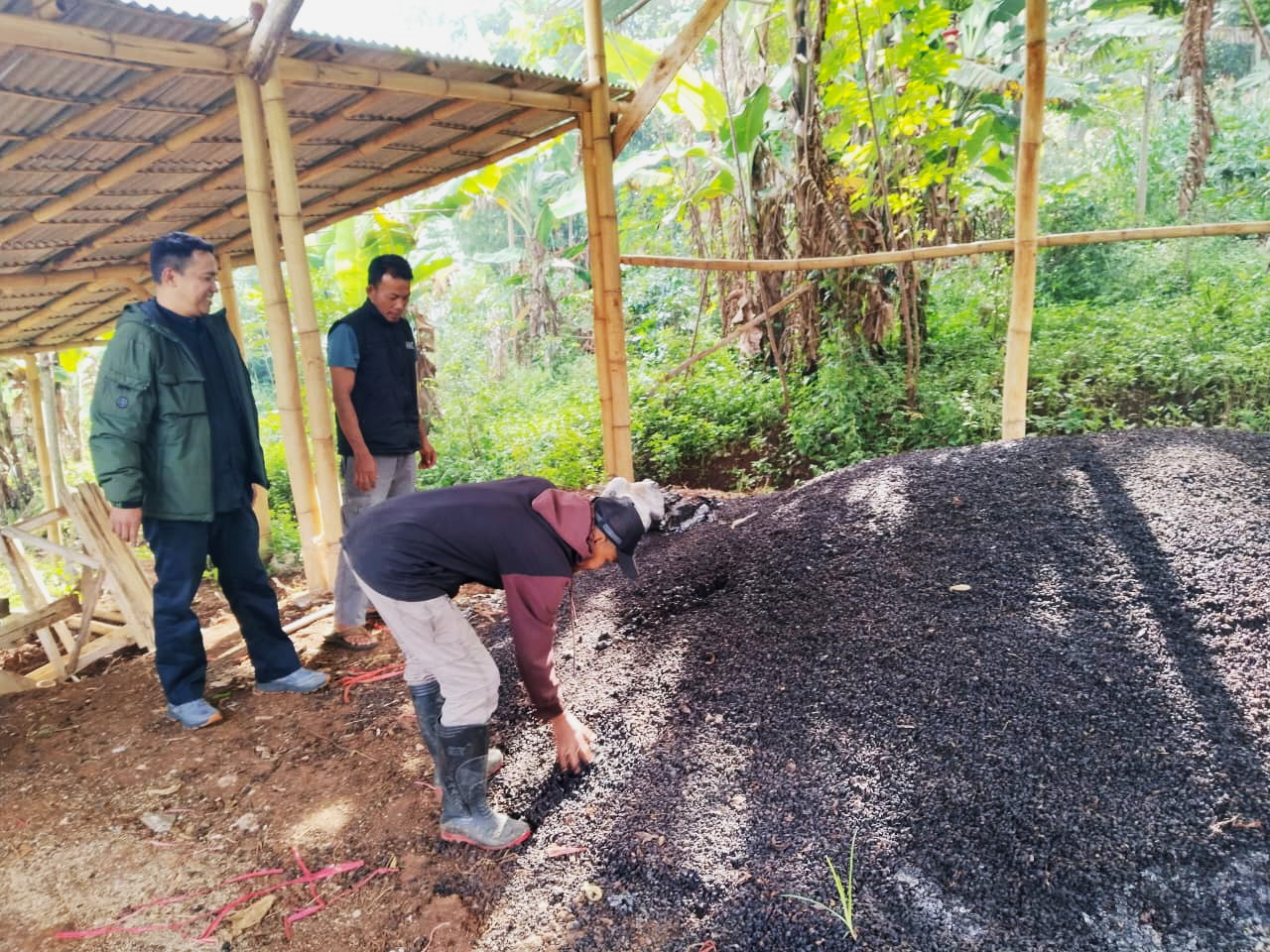
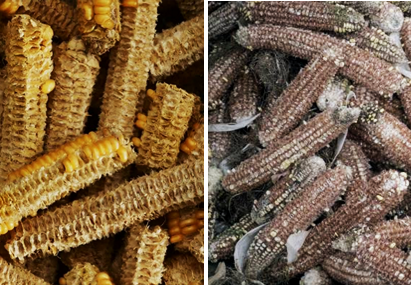
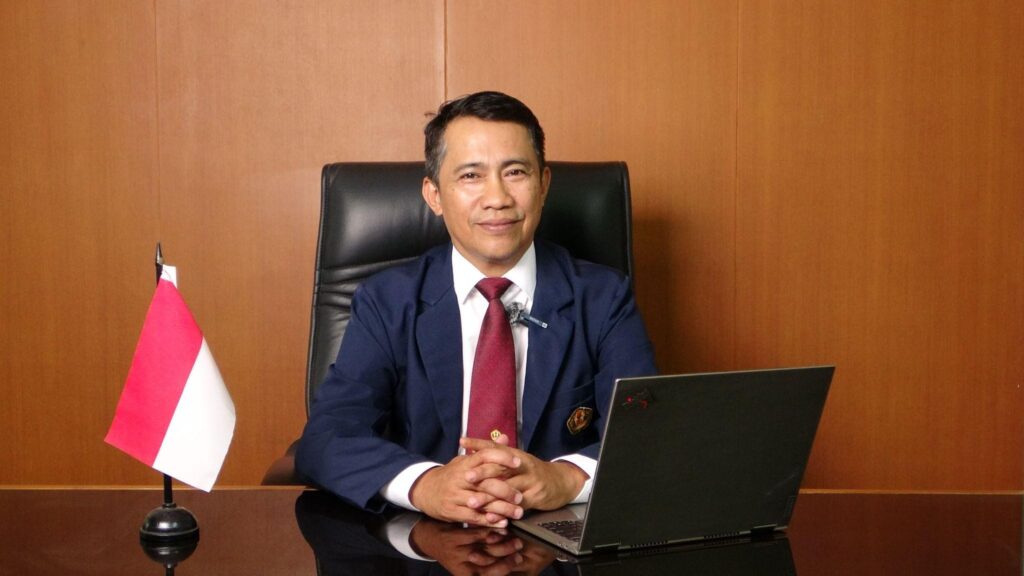
Jatinangor, May 28, 2026 — The Faculty of Agriculture at Universitas Padjadjaran continues to strengthen its commitment to sustainable agriculture through the utilization of agricultural waste as value-added products. Through the Research and Community Service Information System (BIMA), the faculty is currently implementing a community empowerment program focused on processing coffee husk and corn cob waste into biochar in Garut. The initiative is led by Dr. Ahmad Choibar Tridakusumah from the Department of Agricultural Socio-Economics as part of the Regional Empowerment Program funded by Indonesia’s Ministry of Higher Education, Science, and Technology.
Dr. Ahmad Choibar Tridakusumah explained that agricultural waste, such as coffee husks and corn cobs, has long been overlooked and treated merely as residual by-products with no economic value. In practice, much of the waste is discarded, piled up, or left to decompose naturally, contributing to environmental pollution and sanitation issues around farming areas. According to him, these materials actually hold significant potential to be transformed into products that not only support environmental sustainability but also generate additional income for farmers.
The program is being carried out in collaboration with two local farmer groups: Telaga Kopi Farmer Group, which focuses on coffee cultivation, and Sinar Rasa Farmer Group, specializing in hybrid corn farming. Garut was selected as the project site because it is one of West Java’s major coffee and corn production centers, despite the fact that agricultural waste management in the region remains relatively underdeveloped.
The empowerment activities are designed using a region-based and innovation-driven approach that places farmers at the center of the program. The implementation stages include preliminary surveys and socialization, training on waste management and product downstreaming, marketing workshops, as well as ongoing mentoring and program evaluation. In carrying out the initiative, Dr. Ahmad Choibar Tridakusumah leads a multidisciplinary team consisting of Dr. Rani Andriani Budi Kusumo in agricultural socio-economics, Dirga Sapta Sara in soil science, and Dr. Tintin Febrianti from Universitas Garut. University students are also actively involved in training and mentoring activities alongside the farmer groups.
One of the key technologies introduced through the program is a pyrolysis machine used to convert wet coffee husk and corn cob waste into biochar through a closed combustion process without oxygen. The technology is designed to be practical and easily operated by farmer groups on both small and medium scales. To support the production chain, the program is also equipped with a huller, grinder, briquette molding machine, and continuous band sealer for product packaging. The resulting biochar is expected to provide multiple agricultural benefits, including improving soil porosity, enhancing cation exchange capacity, and increasing fertilizer efficiency. Laboratory testing has shown that the biochar contains favorable organic carbon content and physicochemical properties suitable for soil improvement.
Beyond its environmental impact, the program is also expected to create economic opportunities for local communities. Agricultural waste that previously had little to no value can now be processed into eco-friendly products such as biochar and briquettes with commercial potential. The initiative also opens opportunities for broader community participation, including the involvement of women’s groups in production and marketing activities.
Pada tahun pertama, program difokuskan pada peningkatan pemahaman petani mengenai manfaat ekologis dan ekonomis limbah pertanian serta pengenalan teknologi biochar. Selanjutnya, pada tahun kedua dan ketiga, program diarahkan pada penguatan kapasitas usaha, pengelolaan produksi, hingga pengembangan pemasaran digital melalui media sosial dan platform e-commerce. Tim pengabdian menargetkan kapasitas produksi biochar mencapai sekitar satu kuintal per bulan pada tahap awal dan meningkat menjadi dua hingga tiga kuintal per bulan pada tahun berikutnya melalui penguatan manajemen produksi dan pengelolaan bahan baku.
Dr. Ahmad Choibar Tridakusumah emphasized that universities have an important role in delivering practical solutions that directly benefit society through accessible and applicable technologies. He expressed hope that the program would not only help reduce environmental pollution caused by agricultural waste but also contribute to the development of a more independent, sustainable, and economically resilient agricultural system for farmers in the long term. The initiative also supports the achievement of several Sustainable Development Goals (SDGs), particularly SDG 12 on Responsible Consumption and Production, SDG 13 on Climate Action, and SDG 8 on Decent Work and Economic Growth.
 English
  Indonesian