
Penulis: Aufa Mumtaz Susanto
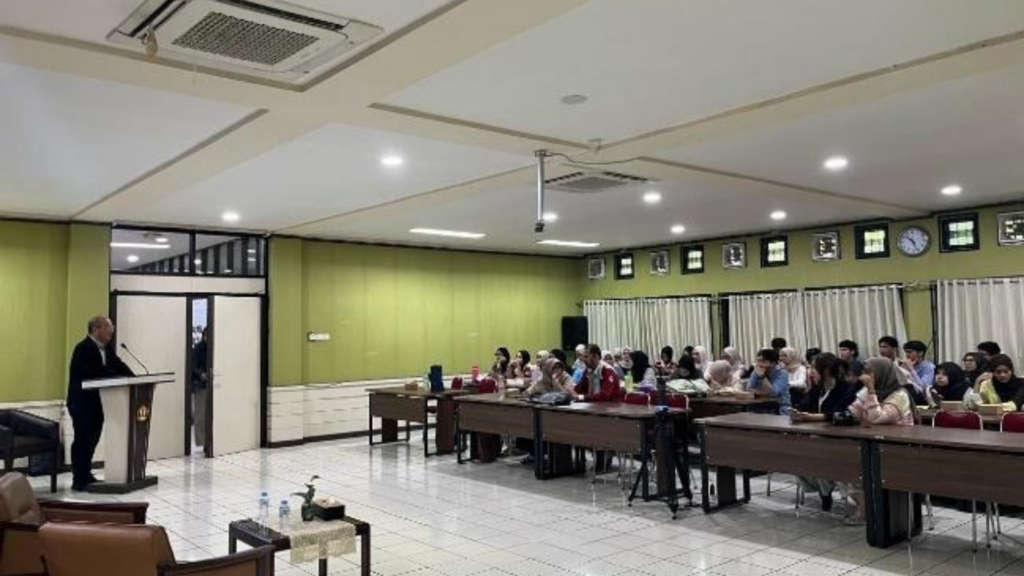
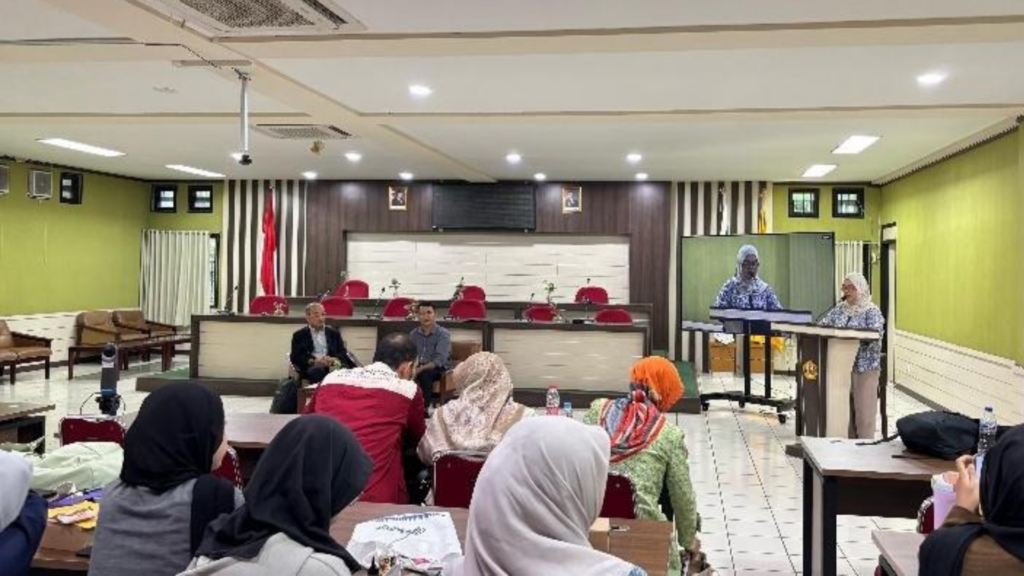
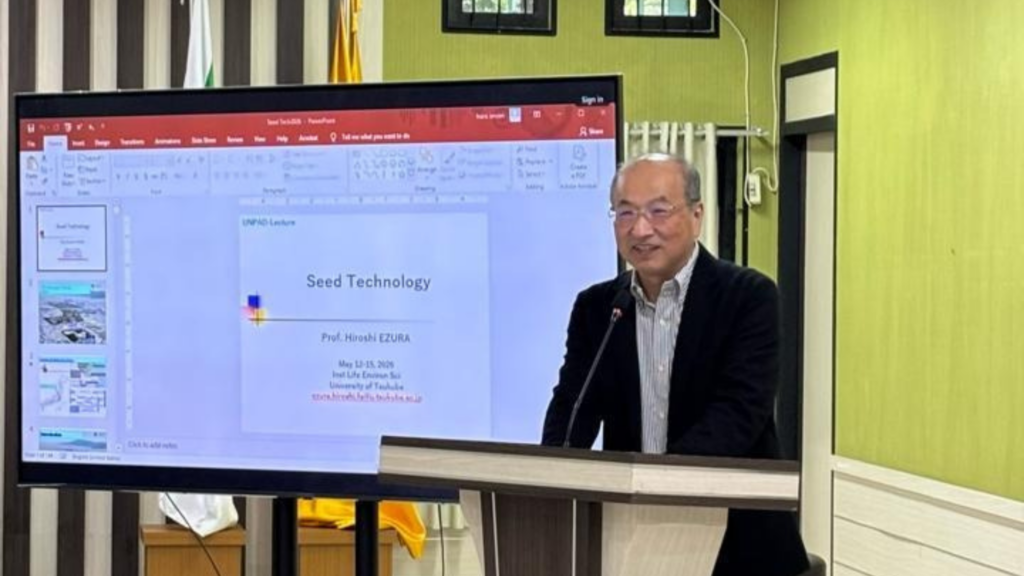
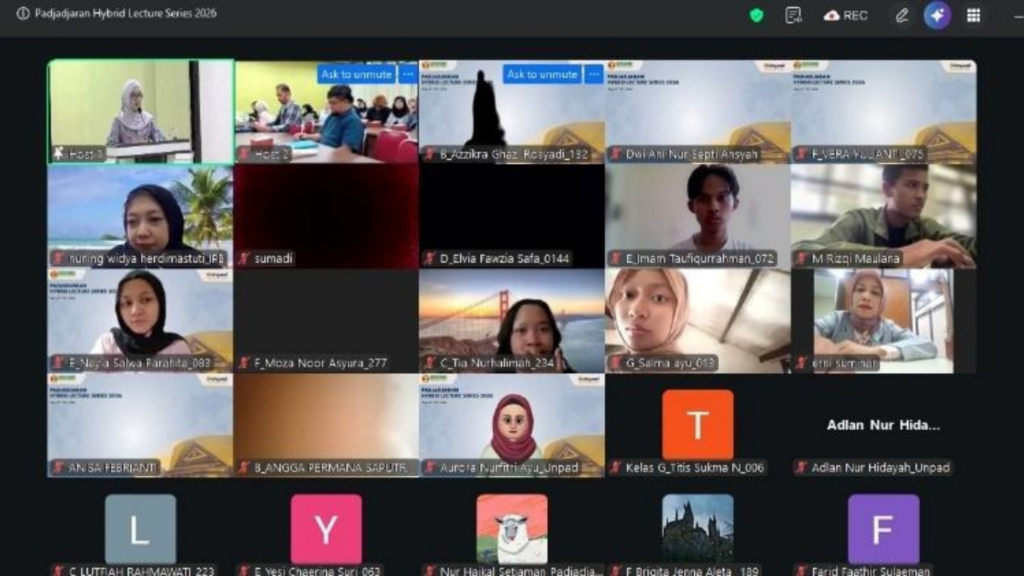
Jatinangor, May 15th Mei 2026 — The Faculty of Agriculture at Universitas Padjadjaran organized the Padjadjaran Hybrid Lecture Series 2026, an international guest lecture program held over four days from May 12 th to 15 th, 2026, in a hybrid format at the Dean's Building, Faculty of Agriculture, Jatinangor Campus. This year's series featured Prof. Hiroshi Ezura, Ph.D., professor from University of Tsukuba, Japan, who delivered a comprehensive series of lectures covering vegetable seed science and technology, ranging from its foundational concepts to the latest advancements in genomic engineering. The program was open to undergraduate, master's, and doctoral students in agriculture as well as researchers, attended more than 300 participants per day consisting of 30 in-person attendees and approximately 285 online participants from various institutions across Indonesia, Malaysia, and Japan.
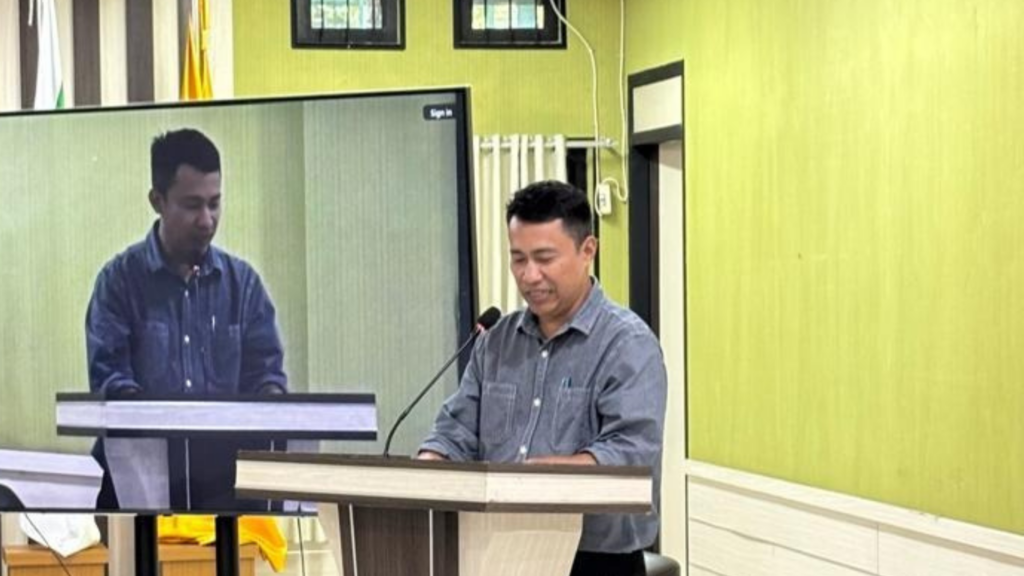
The event was officially opened by the Dean of the Faculty of Agriculture, Dr. Achmad Choibar Tridakusumah, alongside the coordinator of the Basic Seed Technology course, Muhamad Kadapi, Ph.D. Both conveyed that this program stands as a concrete embodiment of the Faculty of Agriculture's commitment to providing internationally-standard learning experiences for its students. The event was organized by a team of lecturers consisting of Prof. Anne Nuraini, Prof. Syariful Mubarok, Dr. Erni Suminar, Muhamad Kadapi, Ph.D., and Dr. Rahmat Budiarto.
The four days of lectures were carefully structured to build upon each other in a progressive and cohesive manner. The first session, held on May 12, laid the groundwork by discussing the types of vegetable seeds, from vegetative to generative propagation, establishing a solid foundation before moving into more technical territory. The second session on May 13 explored the production of virus-free plants through meristem culture and the F1 hybrid seed production system. The third session on May 14 delved into seed quality evaluation, covering topics such as seed priming, osmotic priming, and long-term seed storage. The fourth and final session on May 15 brought the series to a remarkable close, as Prof. Ezura shared firsthand how he applied CRISPR/Cas9 technology to develop high-GABA tomatoes, a genome-edited product that has since been commercially released and is now available on supermarket shelves in Japan.
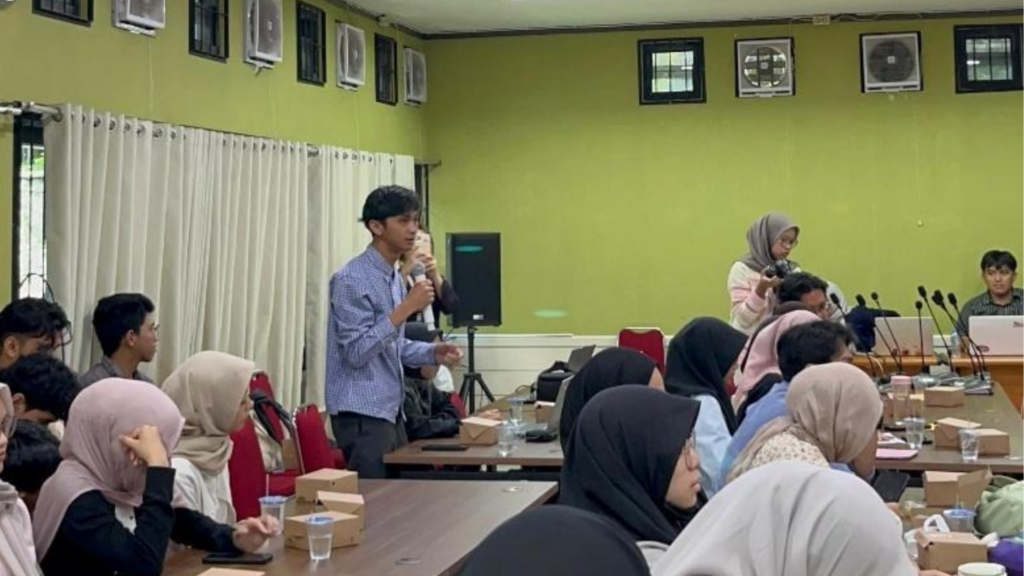
Prof. Hiroshi Ezura is widely recognized as a pioneer in the field of vegetable plant genome editing, with expertise spanning plant physiology, genetics, genomics, plant breeding, and biotechnology. With more than 430 scientific publications, hundreds of international patents, and the Tsukuba Prize 2024 to his name, he brought to the series a perspective that is not merely academic but has genuinely translated into real-world innovation in the global food market. His presence was met with tremendous enthusiasm from participants, as demonstrated by the lively and critically engaged question-and-answer sessions that followed each lecture, covering topics from the technical nuances of seed priming to in-depth discussions on the regulatory challenges surrounding CRISPR technology.
Participants of the Padjadjaran Hybrid Lecture came from various national and international institutions, including University of Tsukuba, Universiti Putra Malaysia, Universitas Padjadjaran, Institut Pertanian Bogor, Universitas Brawijaya, Universitas Jember, Universitas Muhammadiyah Jakarta, Universitas Muhammadiyah Malang, Universitas Winaya Mukti, Universitas Islam Riau, Politeknik Negeri Lampung, and Universitas Gunadarma. In addition to academics and students, the event was also attended by independent researchers and members of the public through open registration. The strong enthusiasm of participants reflected a high level of interest in agricultural science and innovation driven by global research. The involvement of diverse institutions also strengthened academic networks and international collaboration in the agricultural sector.
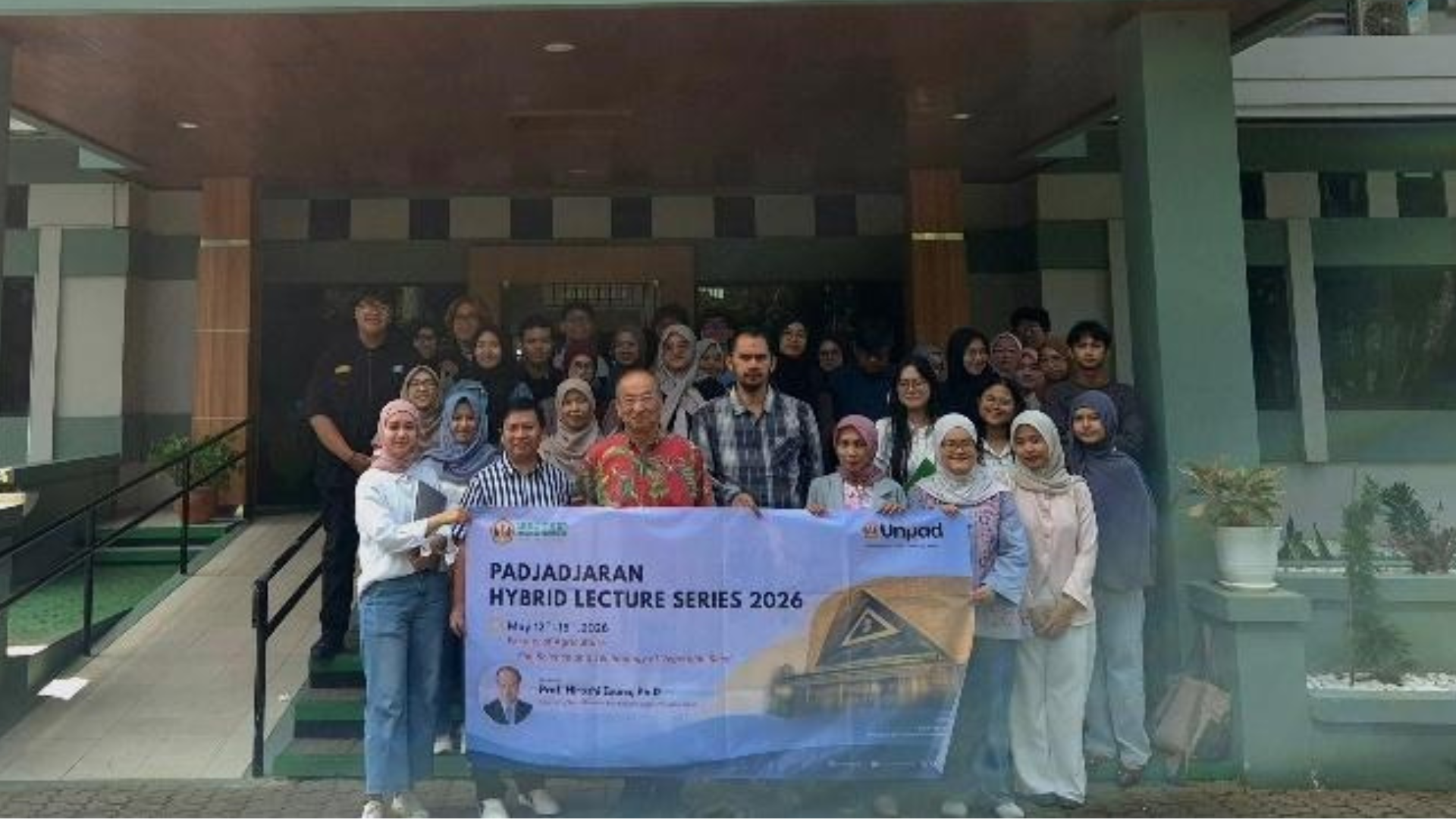
The event concluded with a group photo session involving all offline participants, lecturers, and speakers as the closing of the Padjadjaran Hybrid Lecture series. One undergraduate student from the Agrotechnology Study Program at Universitas Padjadjaran stated that the program provided a unique learning experience because participants could interact directly with scientists who had successfully implemented their research in real-world applications. The student also highlighted the sessions on GABA tomato development and seed vigor evaluation as the most inspiring and applicable topics presented during the lecture series. This program aligns with the Sustainable Development Goals (SDGs), particularly SDG 4 (Quality Education) through expanding access to quality learning, SDG 9 (Industry, Innovation and Infrastructure) through the dissemination of agricultural innovation, and SDG 17 (Partnerships for the Goals) through academic collaboration across institutions and countries.
 English
  Indonesian