
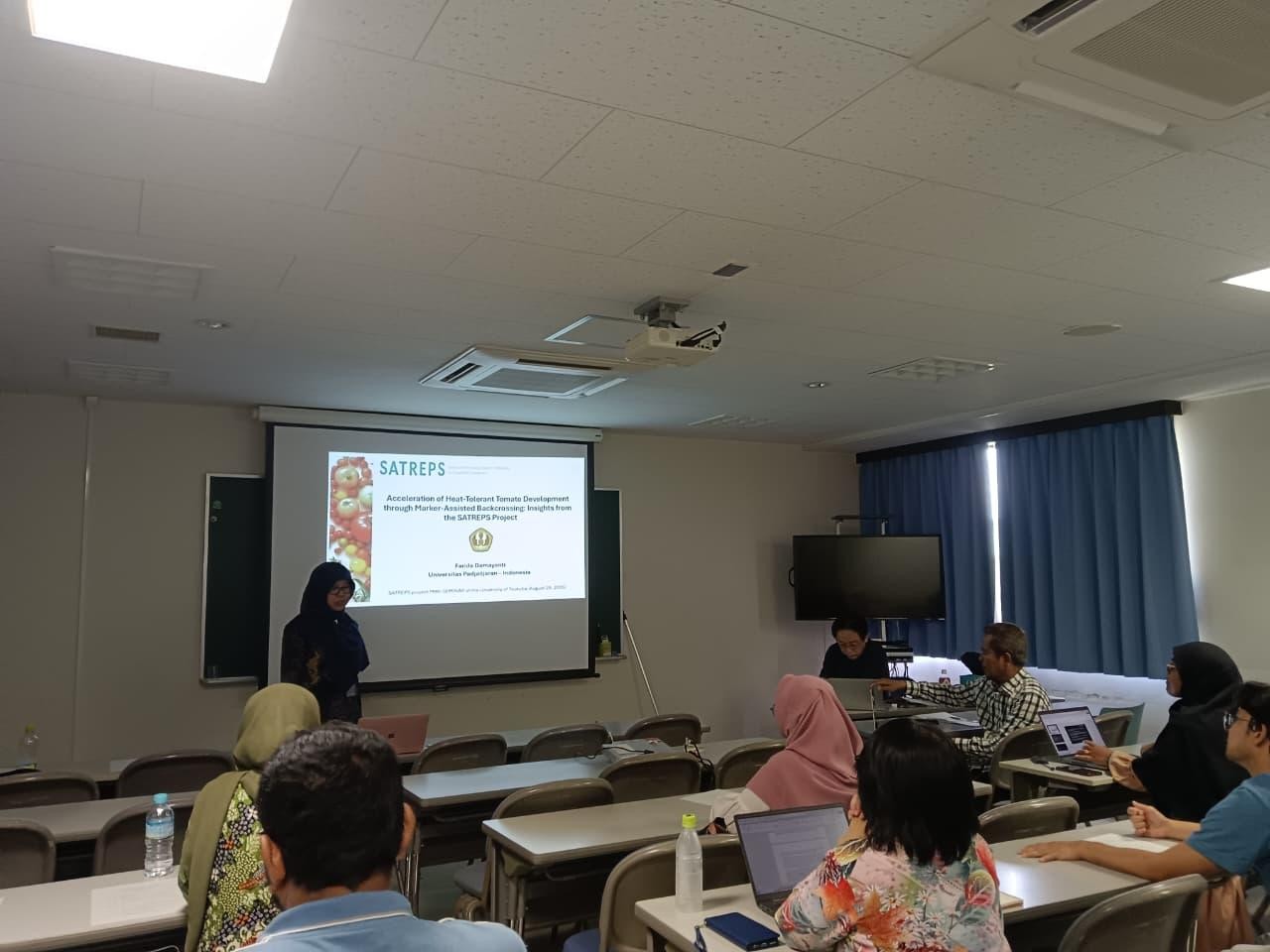
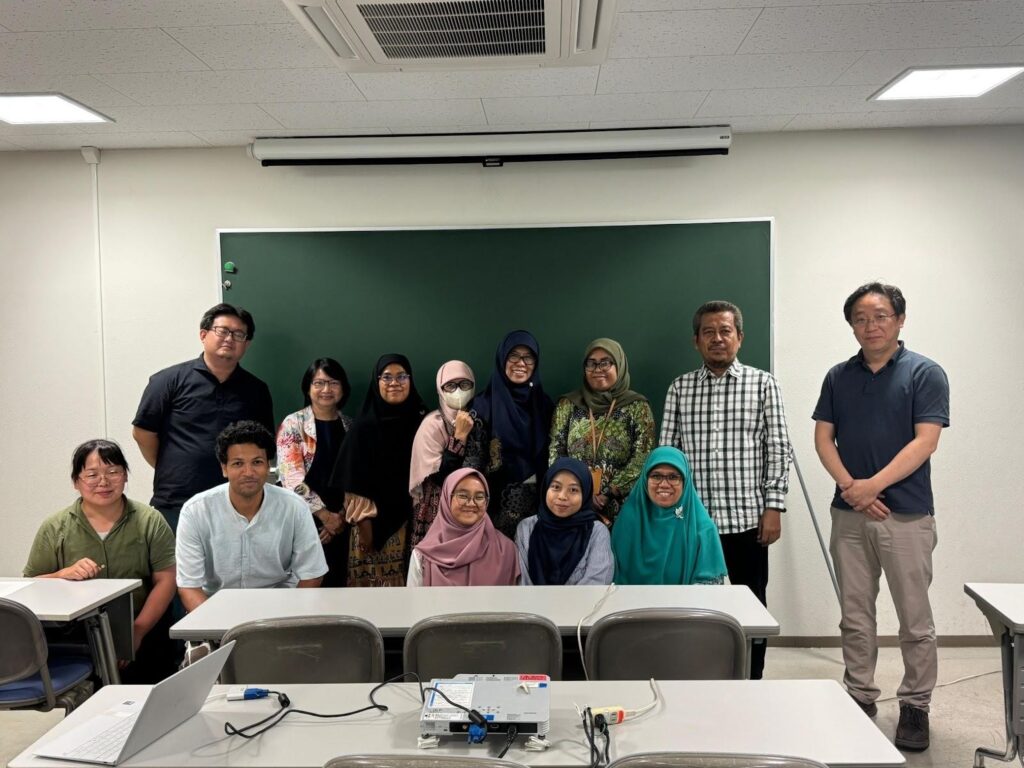
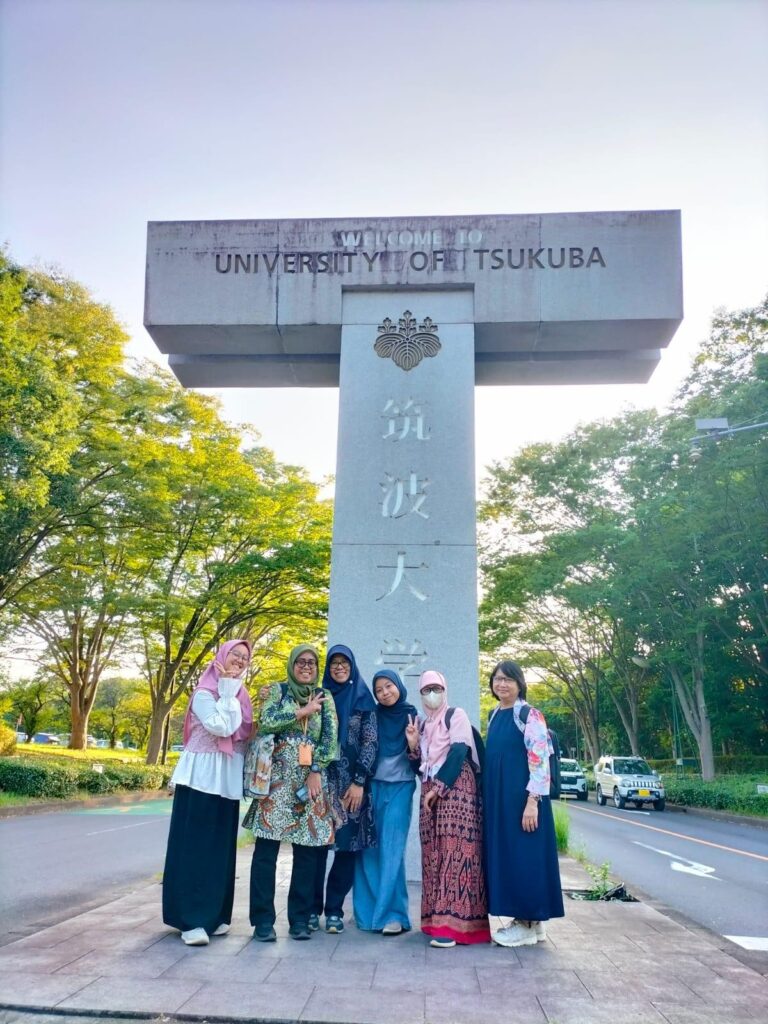
Two Master’s students in Agronomy from the Faculty of Agriculture, Universitas Padjadjaran (Faperta Unpad), Alifa Ghaida Zahra and Rumaisa Salma Tsabitah, as members of the SATREPS (Science and Technology Research Partnership for Sustainable Development) team, participated in an intensive High Resolution Melting (HRM)-PCR training program at the University of Tsukuba, Japan, from August 26–29, 2025. This activity was conducted under the international collaborative project entitled “The Project for Breeding Innovation in Chili Pepper and Tomato to Accelerate Sustainable Vegetable Production in Tropical Regions.”
The HRM-PCR training served as the core component of the program, aiming to strengthen students’ competencies in advanced molecular breeding techniques. HRM-PCR is a powerful tool for detecting genetic variation and mutations, playing a critical role in modern plant breeding, particularly for precision selection in horticultural crops such as chili pepper and tomato.
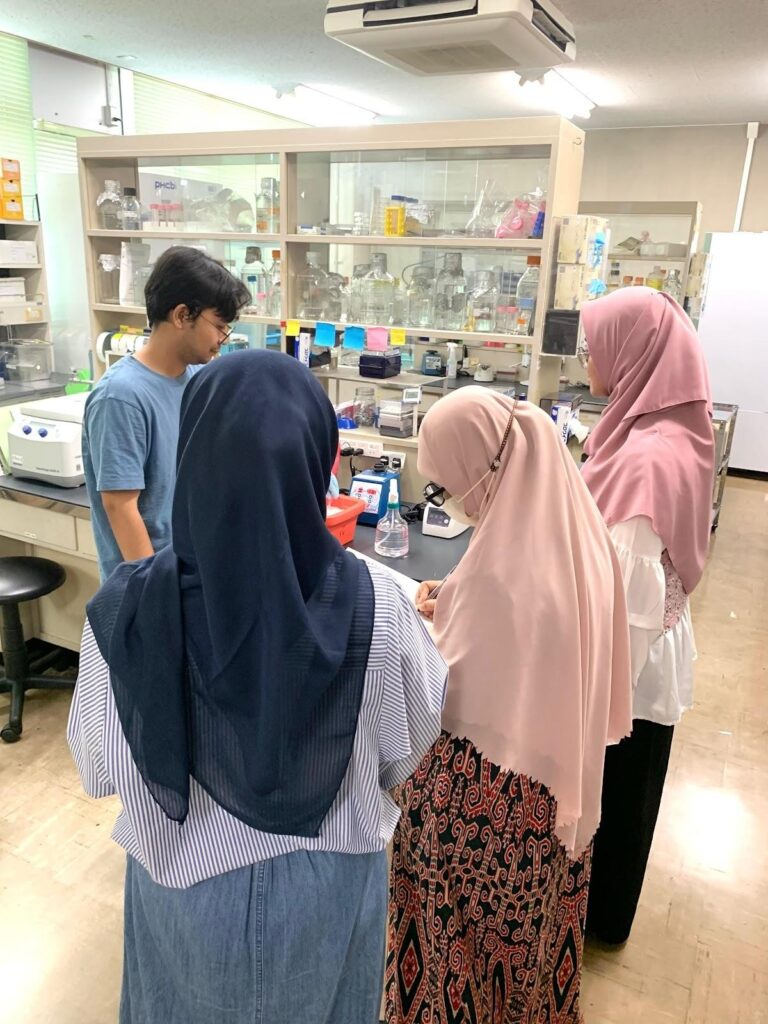
During the two-day hands-on training at the Laboratory of the Faculty of Life and Environmental Sciences, University of Tsukuba, participants were directly engaged in the complete molecular workflow, including sample preparation using a tissue lyser, HRM analysis, and data interpretation for genotypic variation detection. This experience provided valuable exposure to state-of-the-art genomic technologies, equipping students with practical skills relevant to cutting-edge agricultural research.
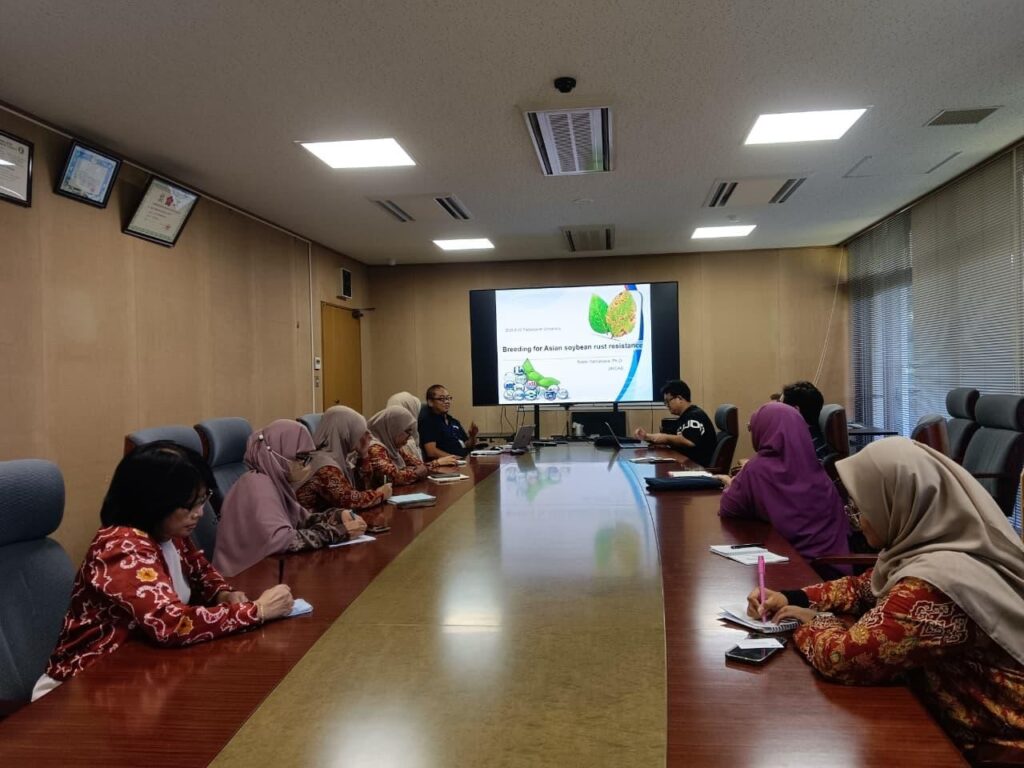
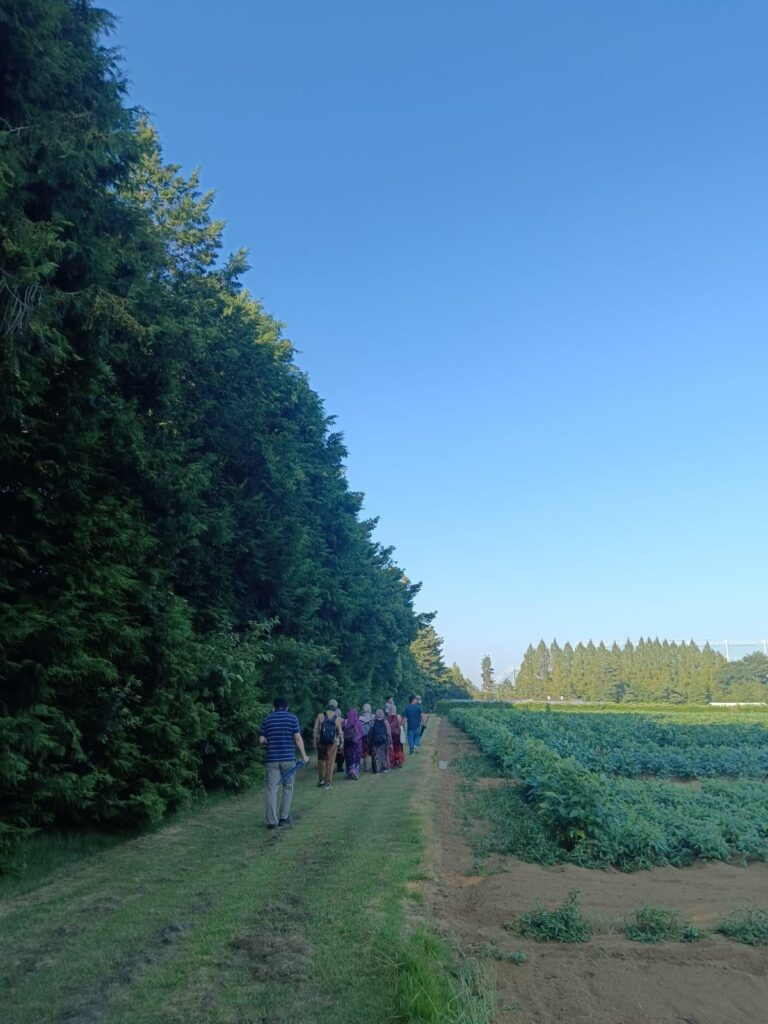
In addition to the technical training, the program included laboratory and greenhouse visits at the University of Tsukuba, as well as an academic visit to the Japan International Research Center for Agricultural Sciences (JIRCAS). Participants attended scientific presentations delivered by leading researchers, offering insights into current advances in crop breeding and sustainable agriculture.
The program also featured the SATREPS Seminar, bringing together researchers from Universitas Padjadjaran, the University of Tsukuba, JIRCAS, and the Indonesian National Research and Innovation Agency (BRIN). The seminar fostered academic exchange and strengthened international research collaboration networks.
Participation in this program highlights Faperta Unpad’s commitment to advancing student capacity in molecular-based plant breeding and biotechnology at a global standard. The knowledge and skills gained from this training are expected to contribute to the development of innovative and sustainable crop improvement strategies for tropical agriculture.
 English
  Indonesian