
Jatinangor, Desember 2024 – Padjadjaran University (UNPAD) and the University of Tsukuba, Japan, have reported significant progress in the first year of the Science and Technology Research Partnership for Sustainable Development (SATREPS) project, which focuses on developing chili and tomato varieties that are adaptive to tropical climates.
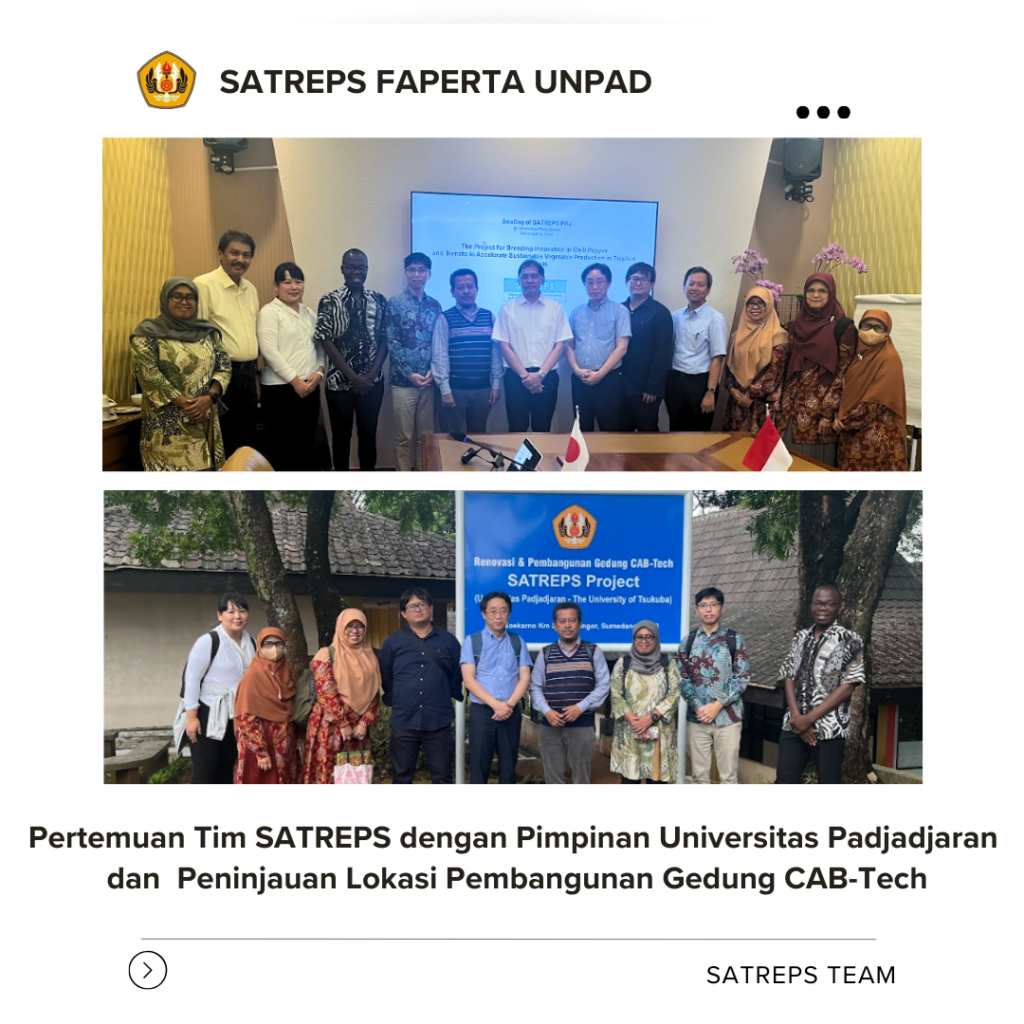
During a working visit from December 3–9, 2024, a delegation from the University of Tsukuba, consisting of Prof. Hiroshi Ezura, Prof. Naoya Fukuda, Prof. Miura, Dr. Seung Won Kang, Dr. Oscar, Dr. Ito, and Dr. Ken Hoshikawa from JIRCAS, attended a series of events to strengthen research collaboration.
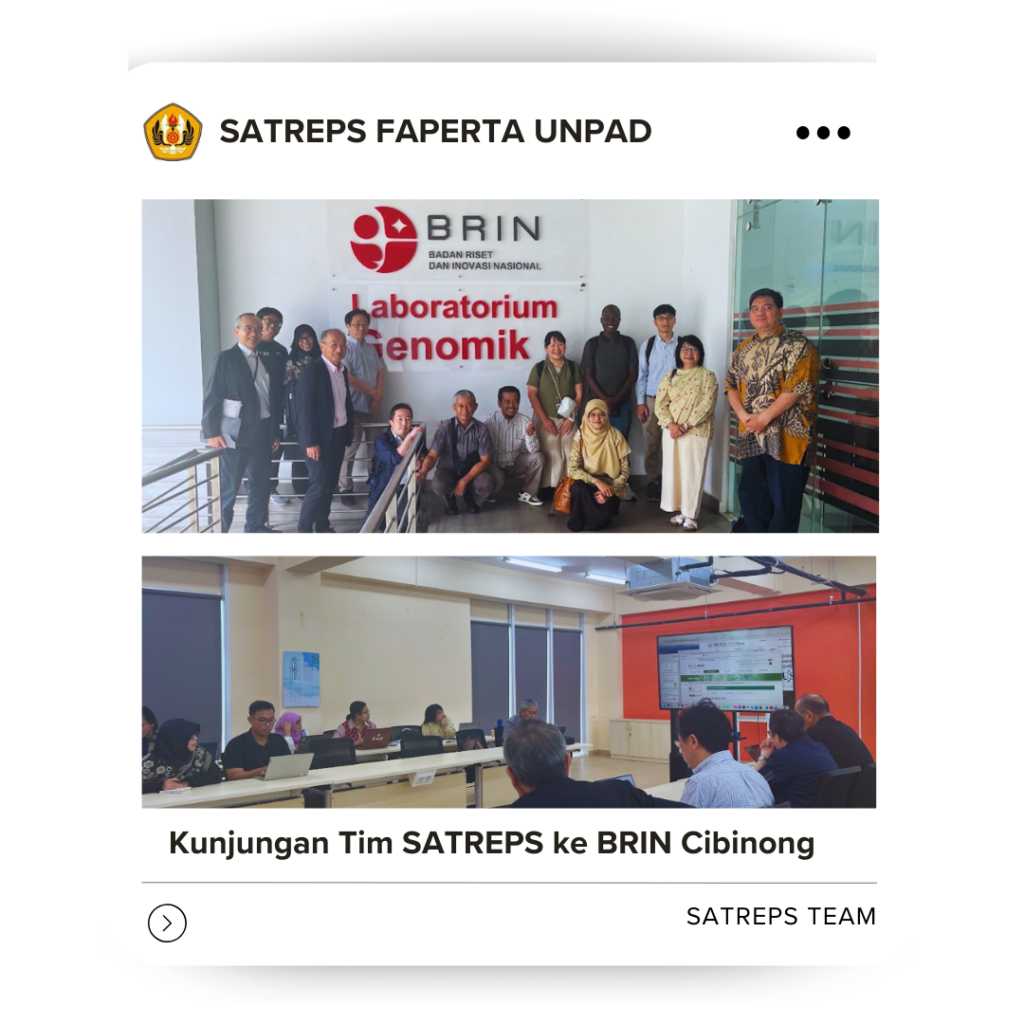
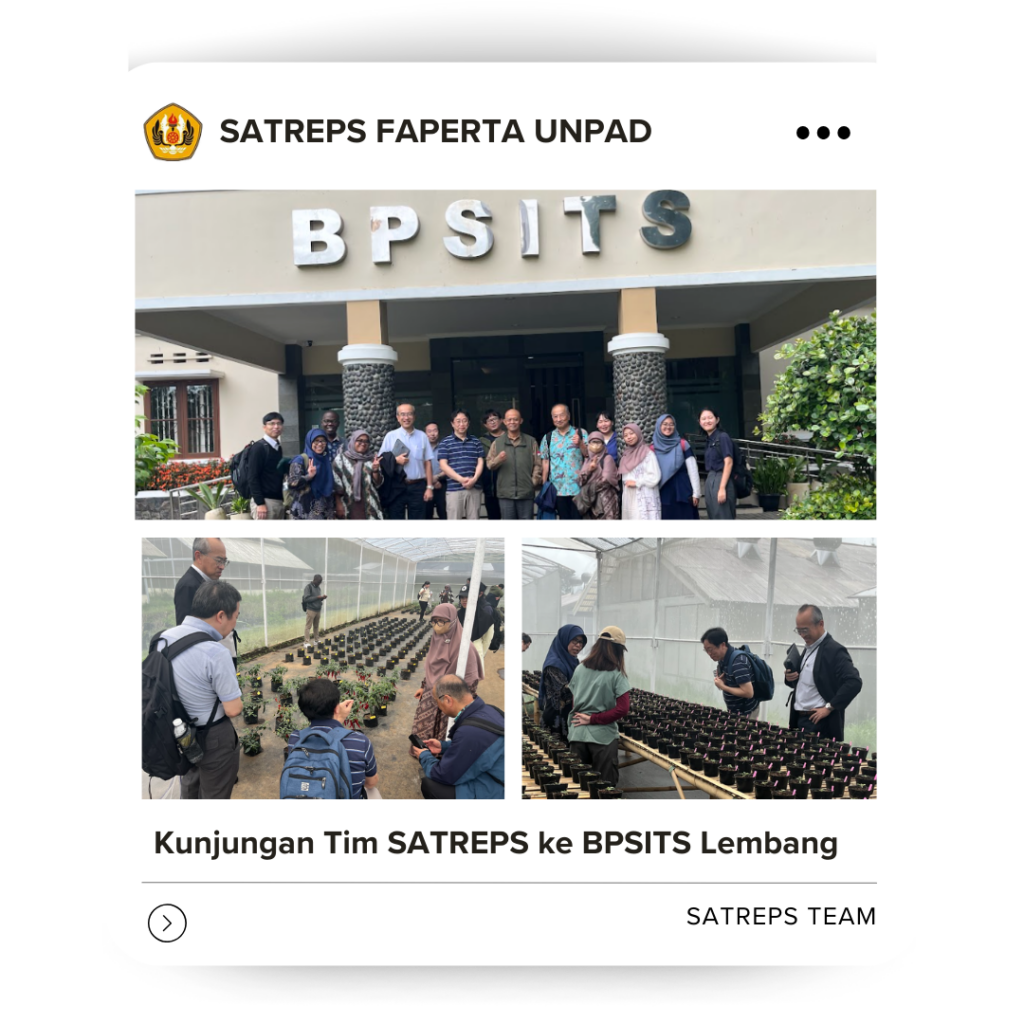
The visit began in Cibinong with a meeting with Dr. Satya Nugraha and the BRIN plant genetic engineering team. Discussions focused on the implementation of genome editing in plant breeding and the latest regulatory developments related to genetic engineering technology in Indonesia. The delegation then proceeded to the BPSITS Lembang Greenhouse to review research on chili and tomato mutant populations with the Head of BPSITS, Dr. Noor Roufiq Ahmadi.
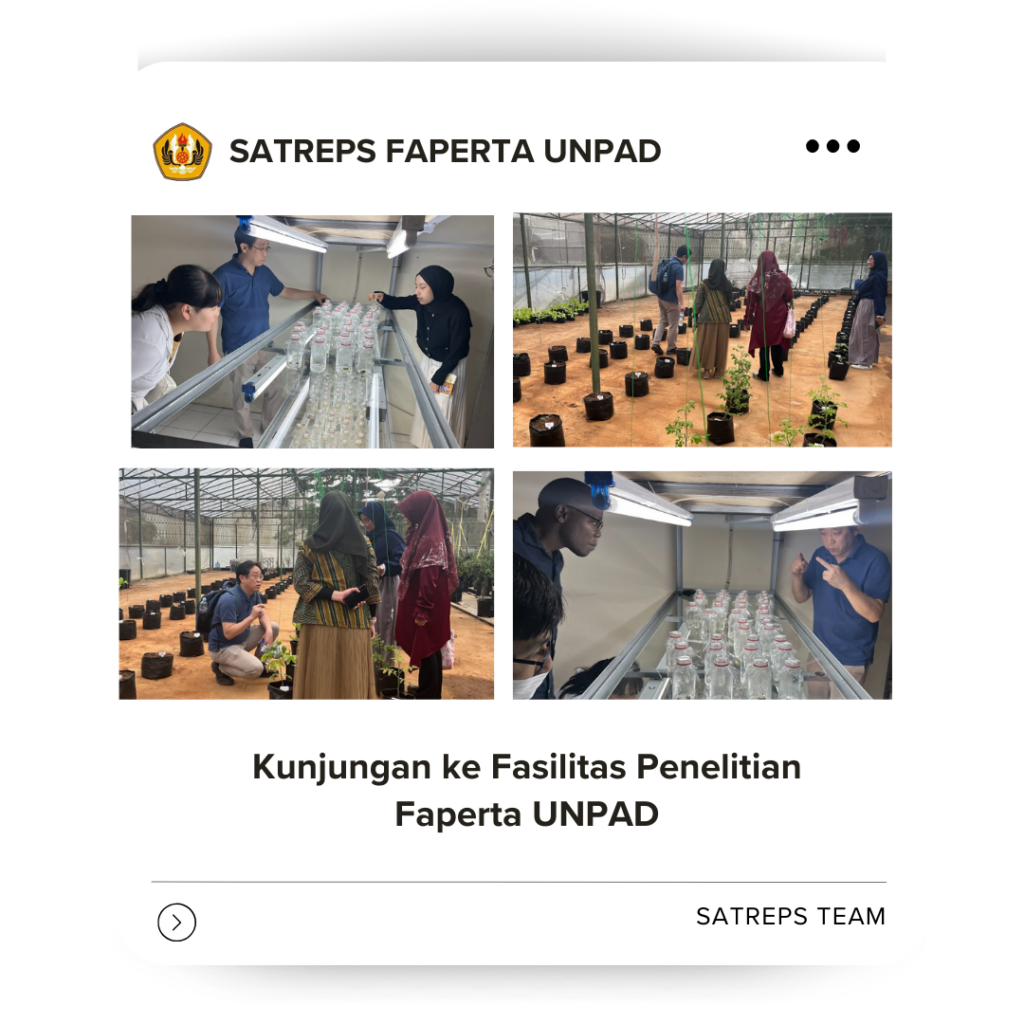
In Jatinangor, the researchers held an internal meeting with the UNPAD SATREPS team to discuss project progress, including genetic analysis and strategies for implementing research results in the field. The team also visited the UNPAD Faculty of Agriculture laboratory to review initial research on genome editing and the development of near-isogenic lines (NILs).
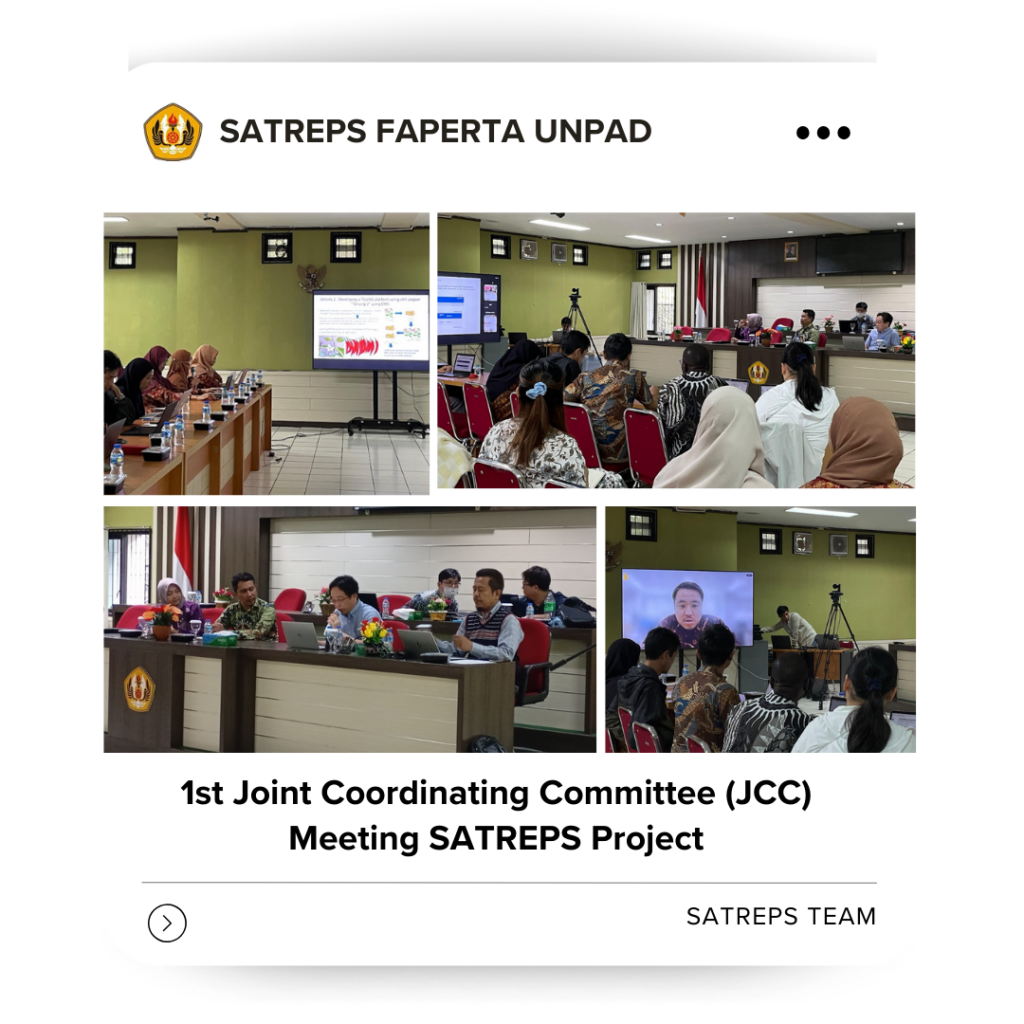
The culmination of the activities was the Joint Coordinating Committee (JCC) Meeting, attended by delegates from JICA, JST, the Japanese Embassy, and other partners. This forum discussed the project's achievements in its first year and future strategies. Additionally, the SATREPS team held a meeting with the Dean of the Faculty of Agriculture and the UNPAD Rector to strengthen institutional cooperation between the two institutions.
The visit concluded with a review of the construction site for the Center of Advanced Breeding Technique (CAB-Tech), which is designed to be a center of excellence for modern plant breeding research. The SATREPS project also involves farmers in the Cianjur, Bandung, Garut, and Ciamis regions, ensuring that research results provide direct benefits to the community.
"This collaboration is a crucial step in the development of sustainable agricultural technology," said Mr. Ryo Hashimoto from JICA. With the full support of various parties, UNPAD and the University of Tsukuba are optimistic about generating research innovations that will have a broad impact on increasing productivity and food security in Indonesia.
Written by Zulfa A and Santika Sari | Photos by Elfara Khairunnisa and Putri Fajar CR.

 English
  Indonesian