
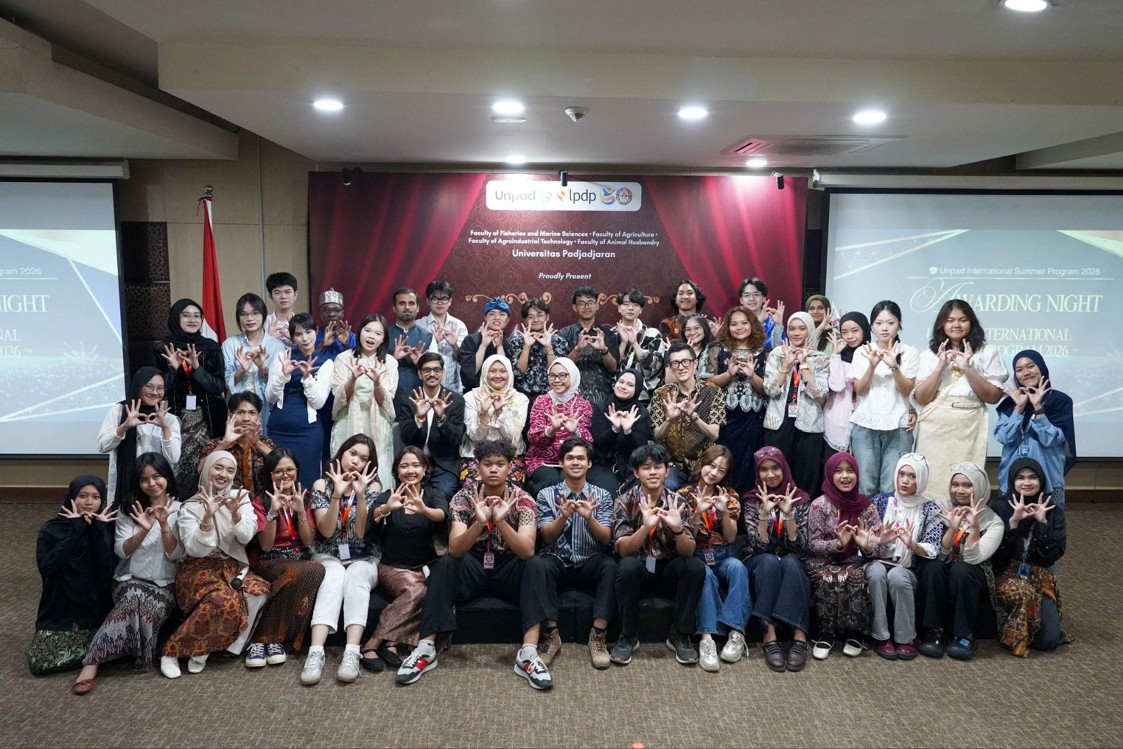
Faperta Unpad Welcomes Participants from Around the World through SAFARI 2026, an International Summer Program on Sustainable Food Systems
Author: Syifa Djuita Putri
Jatinangor, July 17, 2026 – The Faculty of Agriculture Universitas Padjadjaran, in collaboration with the Faculty of Fisheries and Marine Sciences, the Faculty of Animal Husbandry, and the Faculty of Agro-Industrial Technology, successfully hosted the UNPAD International Summer Program: SAFARI 2026 (Sustainable Agriculture, Food, Aquaculture, Resource Integration). Supported by the LPDP Equity Funding FY 2025–2026, the program was held from July 5 to 16, 2026, bringing together students, academics, researchers, and young professionals from various countries for an interdisciplinary learning experience.
Centered on the theme Sustainable Agriculture, Food, Aquaculture, Resource Integration, SAFARI 2026 was designed as a platform for exploring the interconnected nature of modern food systems. The program integrated perspectives from agriculture, animal husbandry, fisheries, aquaculture, food technology, and natural resource management. It was developed in response to global challenges such as climate change, environmental degradation, population growth, and increasing food demand, all of which require collaborative and integrated solutions.
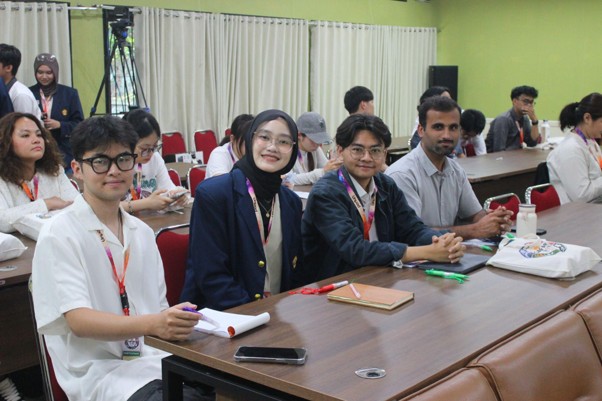
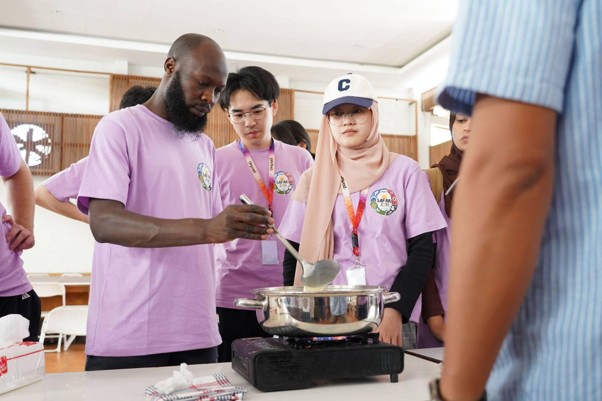
Throughout the ten-day program, participants engaged in more than classroom learning. They took part in a wide range of experiential activities, including expert lectures, laboratory sessions, industry visits, field observations, community engagement, and cultural programs. Together, these activities provided a comprehensive understanding of sustainable food systems in the Indonesian context.
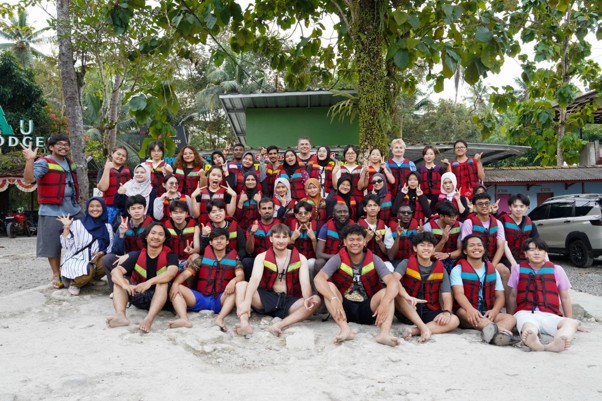
As one of the main organizers, the Faculty of Agriculture introduced participants to a variety of sustainable agricultural innovations and practices developed both on campus and within local communities. Participants explored agricultural landscapes across Greater Bandung, observed urban farming initiatives, and learned about natural resource management practices that support food security. The field program then continued in Pangandaran, where participants examined coastal ecosystems, sustainable aquaculture, and community-based development approaches that integrate agricultural and marine resources.
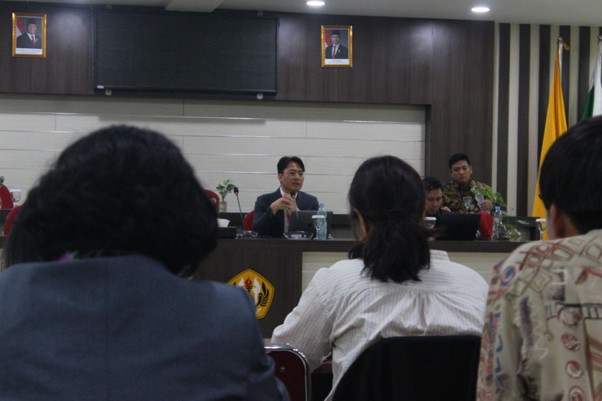
Beyond field experiences, SAFARI 2026 featured distinguished national and international experts who shared insights into key issues shaping the future of sustainable food systems. Topics included crop quality physiology for sustainable food production; the application of the Internet of Things (IoT) and Artificial Intelligence (AI) in modern agriculture, food science and technology, sustainable aquaculture, responsible fisheries, and dairy production systems and animal nutrition.
The program also emphasized the importance of developing global competencies through intercultural engagement. Participants from different countries collaborated in discussions, presentations, group reflections, and cultural activities that showcased Indonesia's rich heritage, particularly Sundanese culture. During the Cultural Night, participants introduced traditional attire, performances, and cultural traditions from their home countries, creating meaningful opportunities for cultural exchange and international networking.
Through SAFARI 2026, Universitas Padjadjaran reaffirmed its commitment to advancing the Sustainable Development Goals (SDGs) by promoting quality education, international collaboration, and innovation in sustainable food systems. By connecting expertise across agriculture, animal science, fisheries, aquaculture, and food technology, the program contributes to SDG 2 (Zero Hunger), SDG 4 (Quality Education), SDG 13 (Climate Action), SDG 14 (Life Below Water), and SDG 15 (Life on Land). More than just a summer program, SAFARI 2026 serves as a platform for building global partnerships and preparing future leaders to develop practical solutions for a more sustainable and resilient food system.

 English
  Indonesian