
Author: Nuraini Fitri Aribah
Jatinangor, April 24, 2026 — Postgraduate students from the Faculty of Agriculture, Universitas Padjadjaran, continue to demonstrate their growing presence on the global stage through participation in upcoming international research programs in Taiwan and Japan. This achievement reflects the increasing academic competitiveness of the students in the field of plant breeding, while also expanding cross-border scientific collaboration networks. Through their involvement in forthcoming international research internships and training programs, the students are not only expected to gain valuable global academic exposure but also to contribute to the development of innovative plant breeding strategies that address pressing global challenges.
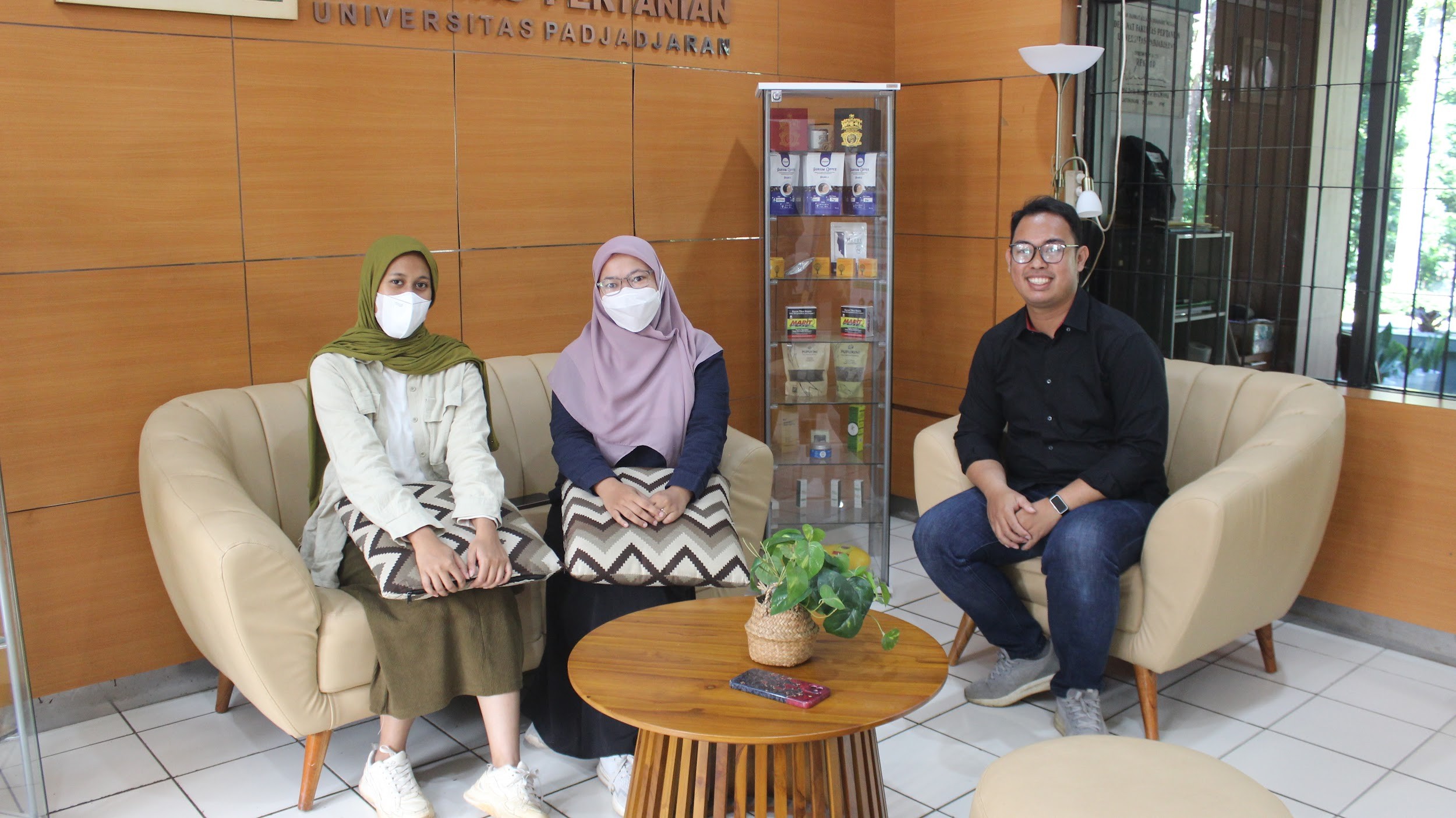
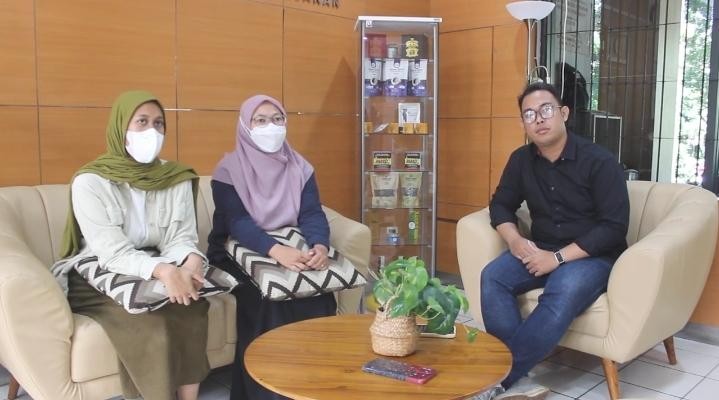
One of the selected participants, master’s student Putri Fajar Chaerul Hamdani, has been accepted into the Omics Breeding Internship program at the World Vegetable Center (WorldVeg) in Taiwan. The program is scheduled to take place from July 7, 2026, to January 6, 2027, in Shanhua, Tainan. It will provide participants with hands-on experience in omics-based plant breeding research. During the program, Putri will focus on research related to carotenoid mutant selection in tomato plants as part of an advanced plant breeding approach. Her interest in the program was sparked by information obtained through professional platforms, as well as prior communication with her prospective supervisor, Dr. Ya-Ping Lin, a researcher at WorldVeg. She noted that this opportunity represents a strategic step toward broadening her academic perspective and opening pathways for future doctoral studies.
Meanwhile, two doctoral students from the Faculty of Agriculture, Zulfa Afifah and Fitriansyah Putra, have also been selected to participate in a research capacity-building program under the Planning Short Course scheme, which is part of the international SATREPS (Science and Technology Research Partnership for Sustainable Development) initiative. The program will be conducted over a two-month period, from June 27 to August 31, 2026, under the theme “Data Analysis & Mutation Detection.” It aims to strengthen participants’ competencies in data analysis and mutation detection as fundamental skills in advancing biotechnology-based plant breeding innovations.
Their participation is closely linked to the ongoing development of the CAB-Tech Laboratory at the Faculty of Agriculture, Unpad, which is being established as a center of excellence in plant breeding. Through training at the University of Tsukuba, participants are expected to acquire advanced technologies and methodologies that can later be implemented within the laboratory. “This program is part of a strategic effort to enhance laboratory capacity, enabling CAB-Tech to grow into one of Indonesia’s leading centers for plant breeding research in the future,” said Fitriansyah.
Overall, the involvement of Faperta Unpad students in these international programs is expected not only to enhance individual competencies but also contributes to institutional capacity building in generating adaptive and sustainable agricultural innovations. This initiative aligns with the Sustainable Development Goals (SDGs), particularly in supporting food security under SDG 2 (Zero Hunger), advancing innovation and research infrastructure under SDG 9 (Industry, Innovation, and Infrastructure), and promoting responsible and sustainable food production systems under SDG 12 (Responsible Consumption and Production). As a message to fellow students, the participants emphasized the importance of courage, in pursuing opportunities, continuous self-development, and proactive engagement in seeking collaborative networks. By leveraging existing academic connections, opportunities to engage on the international stage are becoming increasingly accessible.




 English
  Indonesian