
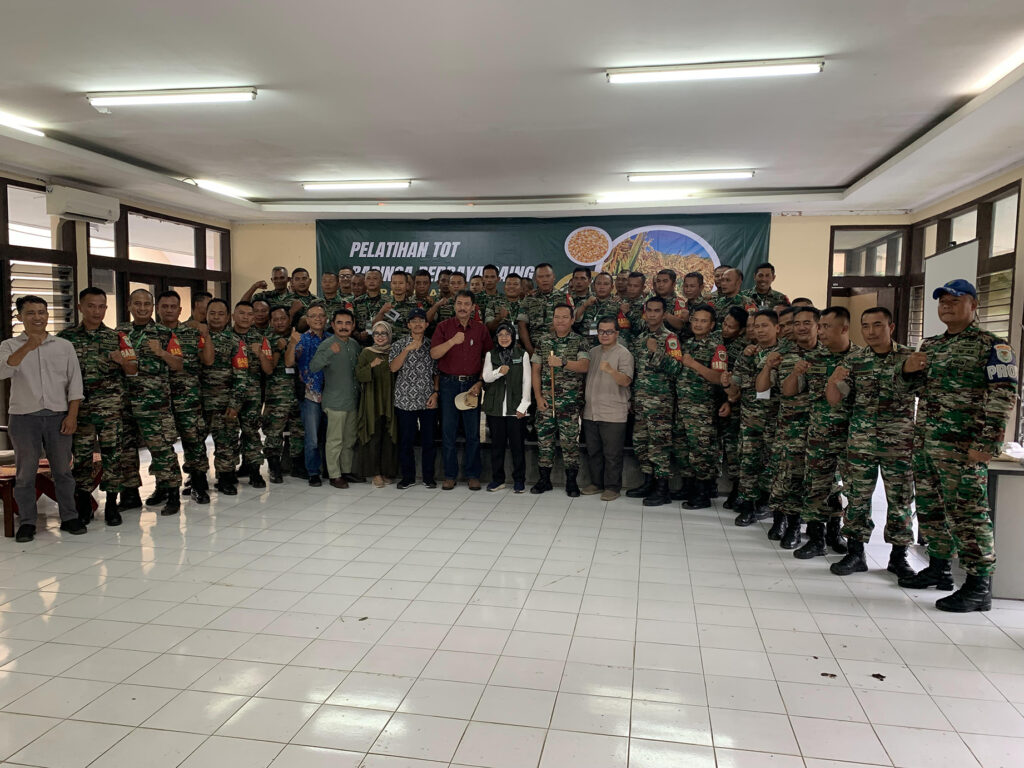
In an effort to strengthen food resilience in the Bandung region and its surroundings, the Faculty of Agriculture at Padjadjaran University (UNPAD) has partnered with the Bandung Regency Agriculture Office and KODIM 0624/Bandung Regency to hold the 2024 "Empowered and Competitive Babinsa Technology Implementation" Training. The training aims to enhance the capacity and competence of Babinsa (Village Trustees) in supporting regional food resilience programs.
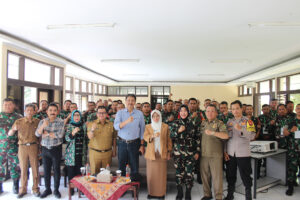
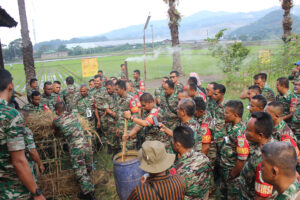
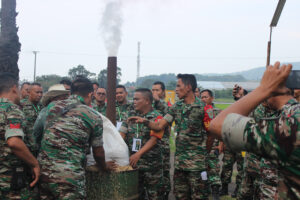
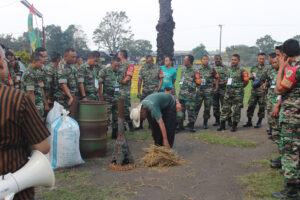
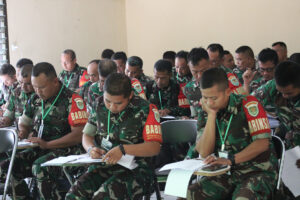
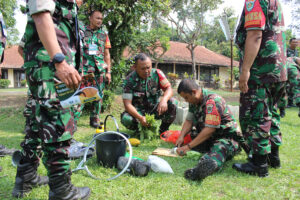
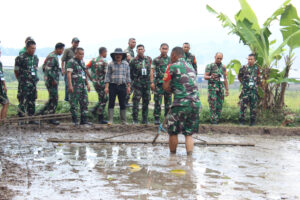
The five-day training was attended by several Babinsa from various villages in Bandung Regency. The event was held at the SLPP Ciparay, UNPAD Faculty of Agriculture, from May 27-31, 2024. The curriculum was delivered by several departments within the UNPAD Faculty of Agriculture. The theoretical and practical materials provided were designed to improve the Babinsa's practical skills in agriculture, including: rice and corn cultivation techniques, identification and control of plant pests and diseases, introduction to soil as a growing medium, introduction to and production of organic fertilizers, integrated organic-based fertilization technology, as well as farming business and marketing analysis. Additionally, Babinsa were also given material on how to become effective facilitators, enabling them to implement community empowerment strategies, especially for local farmers. The goal is to help farmers increase productivity and strengthen food resilience.
Dr. Ir. Meddy Rachmadi, M.P., Dean of the UNPAD Faculty of Agriculture, stated that this training is part of UNPAD's commitment to contribute to solving food resilience issues and challenges. "Food and food resilience are fundamentally everyone's concern. Especially for the Indonesian Army, in this case Kodim 0624/Bandung Regency, food resilience is one of the strategies for national resilience. And the UNPAD Faculty of Agriculture wants to be at the forefront of providing technology and innovation to support food resilience," said Dr. Meddy.
Meanwhile, the Head of the Bandung Regency Agriculture Office, Ir. Ningning Hendasah, M.Si., added that Babinsa play a strategic role in assisting farmers in the field. "With this training, it is hoped that Babinsa can become agents of change who help farmers apply more efficient and productive agricultural technology," explained Ir. Ningning.
The Commander of KODIM 0624/Bandung Regency, Letkol Inf. Tinton Amin Putra, S.E., also expressed his support for the program. "We strongly support this training activity because Babinsa are the front line in maintaining the stability and welfare of rural communities, including in the agricultural sector," said Letkol Tinton.
This training is expected to be a catalyst for increasing food resilience in the Bandung Regency area. The trained Babinsa will be better able to provide guidance and assistance to farmers, thereby increasing the productivity and welfare of the agricultural community. Through the enhanced capacity of Babinsa, Bandung Regency can face food resilience challenges with greater readiness and resilience, and create more equitable prosperity for all its people. Going forward, the UNPAD Faculty of Agriculture plans to continue holding similar training sessions in the future to support food resilience programs at both the regional and national levels.


 English
  Indonesian