
Author: Syifa Djuita Putri
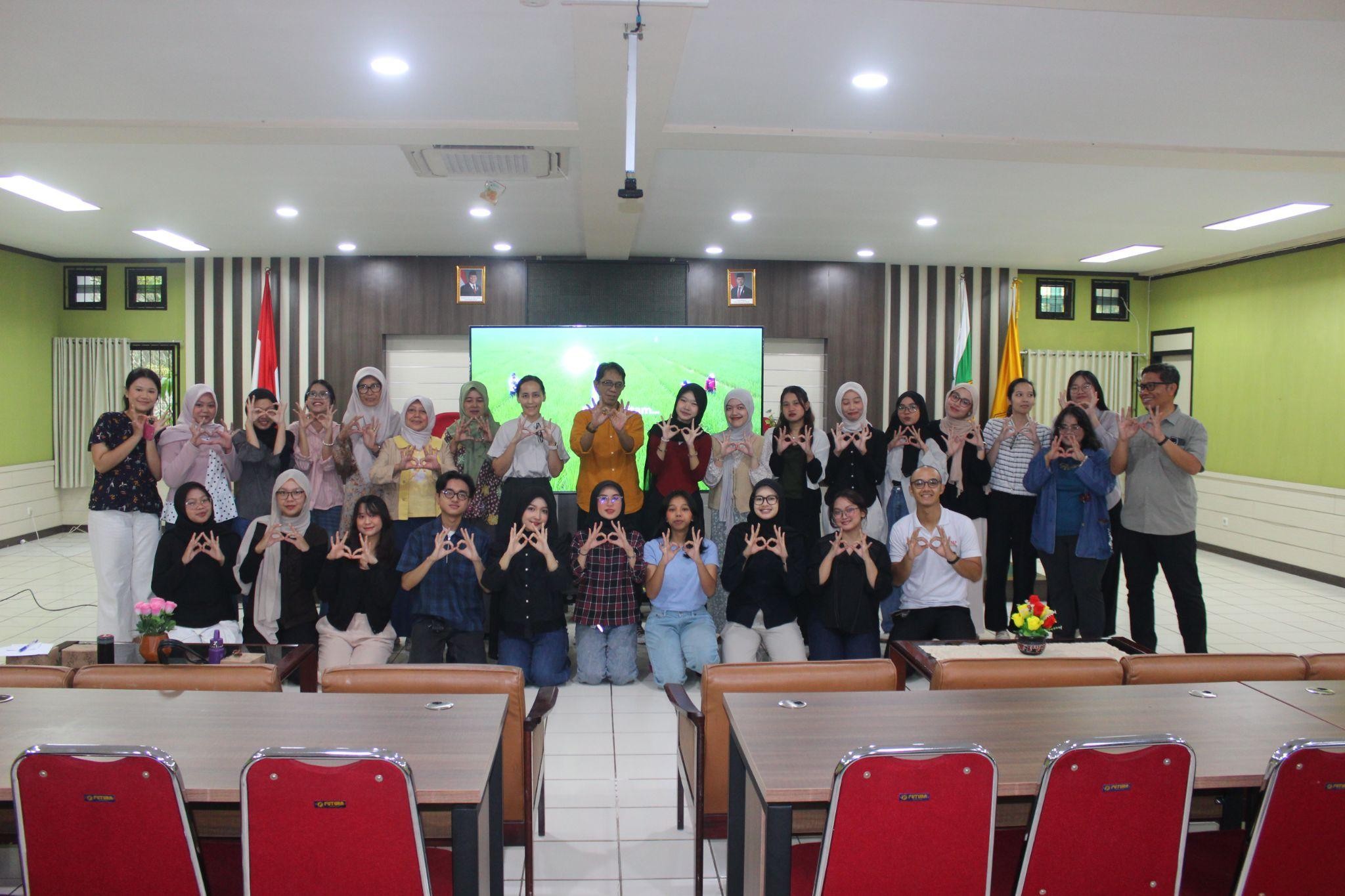
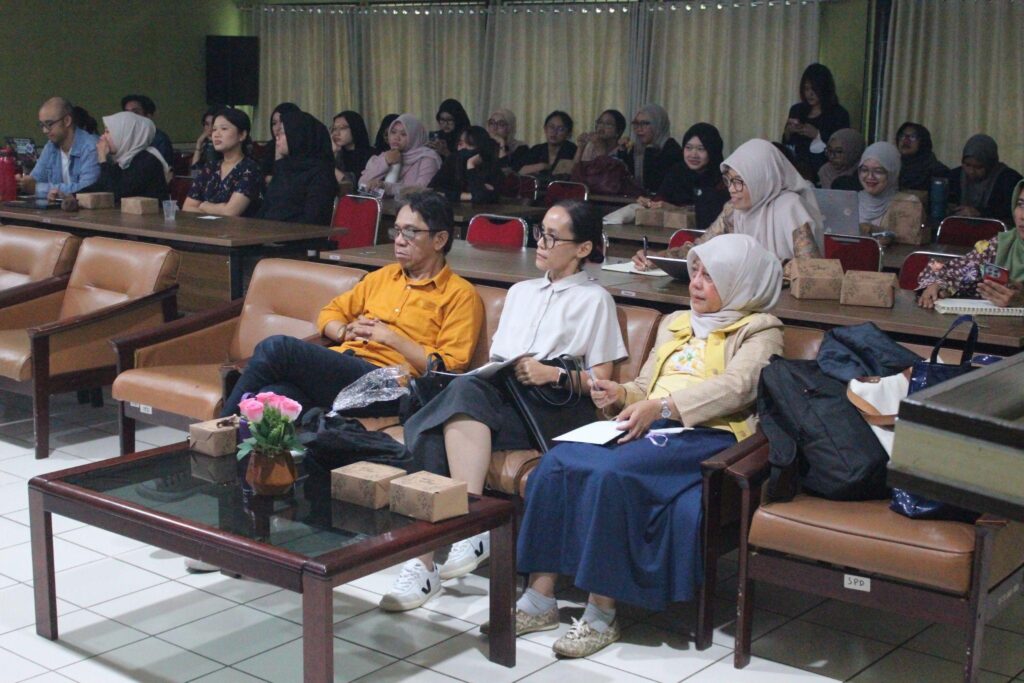
Jatinangor, 20 Mei 2026 — Ruangan SPD Gedung Dekanat Fakultas Pertanian Universitas Padjadjaran dipenuhi peserta dalam kegiatan “Nonton Bareng & Rembuk Pangan” film dokumenter pendek Besok Kita Nanem Lagi. Kegiatan yang merupakan bagian dari roadshow BEKAL MAPAN ini menghadirkan ruang diskusi terbuka mengenai persoalan pangan, kehidupan petani, dan tantangan sistem pertanian di Indonesia. Film dokumenter produksi Center for Indonesian Policy Studies (CIPS) tersebut mengangkat realitas petani dari berbagai sudut pandang, mulai dari proses produksi hingga ketidakstabilan harga hasil panen. Melalui kegiatan ini, peserta diajak memahami bahwa pangan tidak hanya berkaitan dengan apa yang tersedia di meja makan, tetapi juga menyangkut kehidupan banyak pihak di balik proses produksinya.
Setelah pemutaran film, diskusi berlangsung hangat dan interaktif dengan melibatkan mahasiswa, akademisi, serta peserta yang memiliki pengalaman langsung di sektor pertanian. Salah satu peserta mengapresiasi keberanian film dalam mengangkat isu pangan sebagai persoalan strategis yang sangat relevan dengan kondisi Indonesia saat ini. Namun, ia juga mengingatkan bahwa sektor pertanian memiliki keterbatasan ekologis yang tidak dapat diabaikan hanya demi mengejar peningkatan produksi. Menurutnya, eksploitasi lahan secara berlebihan justru dapat memperburuk kerusakan lingkungan dan mengancam keberlanjutan sistem pangan.
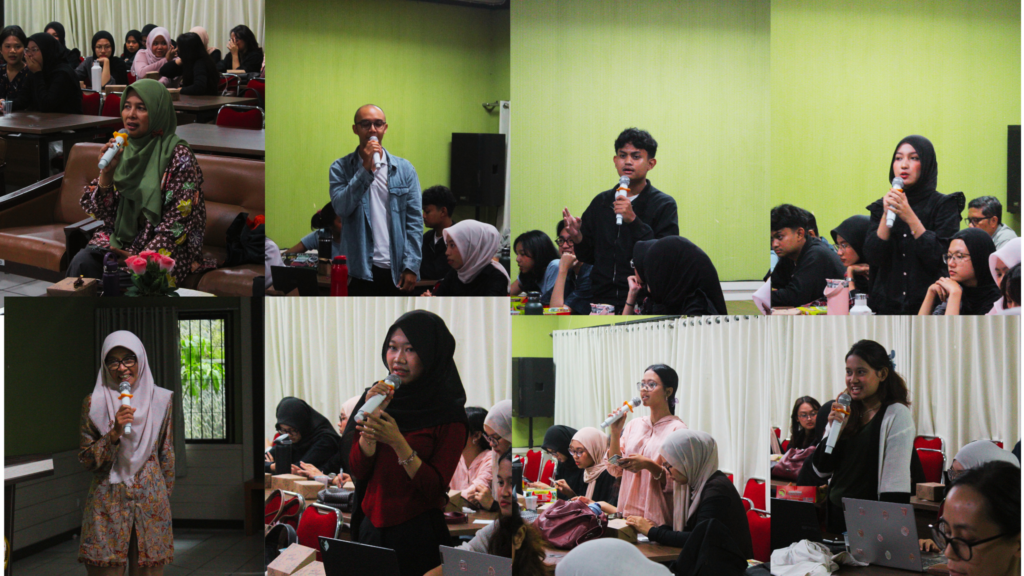
The discussion then expanded to the importance of food diversification as a strategy to reduce dependence on a single staple commodity, particularly rice. Participants highlighted the need to strengthen public education regarding local food sources to encourage greater acceptance of alternative food commodities. In addition, the issues of food waste and food loss became important topics during the forum. Participants noted that wasting food not only harms the environment but also reflects a lack of appreciation for the hard work of farmers.
The realities faced by farmers in the field also became a central theme of the discussion. One participant who manages family-owned farmland in West Java shared how climate change and pest attacks frequently lead to crop failure, significantly affecting farmers’ economic conditions. The participant also highlighted the weak bargaining position of smallholder farmers within the food distribution chain, as many still rely heavily on middlemen to market their harvests. Furthermore, issues related to subsidized fertilizers, seed quality, and the lack of young farmer regeneration were identified as serious challenges for the future of the agricultural sector.
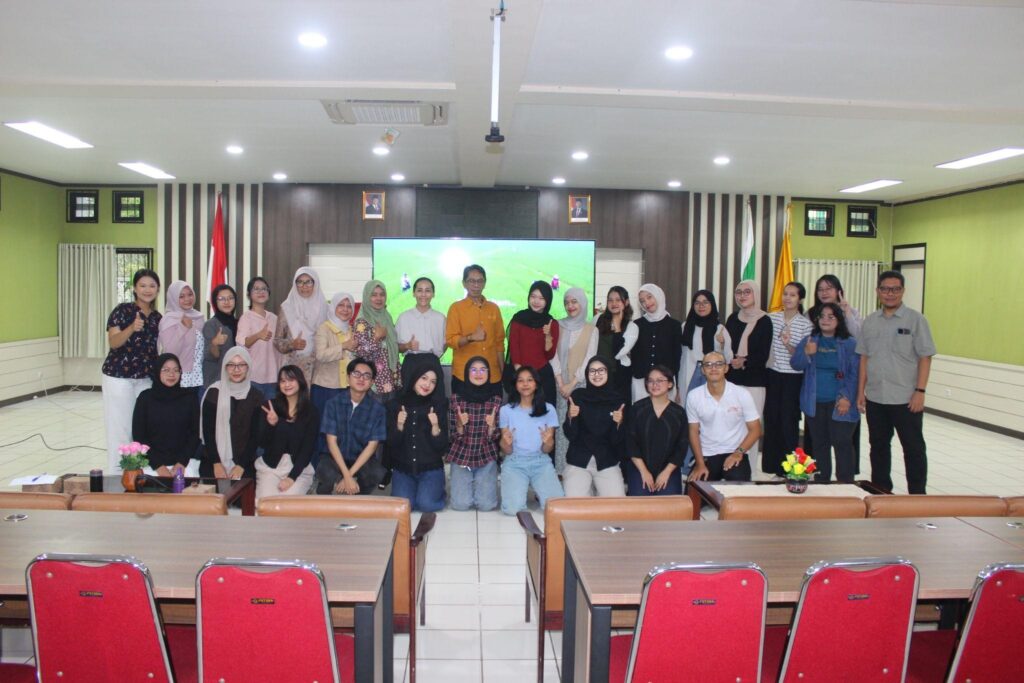
Students attending the forum also expressed critical perspectives regarding agricultural policies in Indonesia. One student argued that although numerous policies concerning fertilizers, production, and food distribution have been introduced, implementation and supervision remain major challenges. Another student emphasized the importance of agricultural downstreaming to increase product added value and expand market opportunities for farmers. According to the discussion, developing processed agricultural products could become a strategic solution to improve farmers’ welfare, provided that the benefits within the supply chain are fairly distributed to producers. The event concluded with a collective reflection on the importance of building a more sustainable, inclusive, and farmer-centered food system. The documentary Besok Kita Nanem Lagi was considered successful in presenting a more humanistic perspective on farmers’ lives and the complexity of food issues in Indonesia. Through this forum, participants were encouraged to better understand the interconnectedness between food production, policy, the environment, markets, and consumer behavior. The activity also aligns with the Sustainable Development Goals (SDGs), particularly SDG 2 (Zero Hunger), SDG 12 (Responsible Consumption and Production), and SDG 13 (Climate Action), by strengthening collective awareness of food security and sustainable agriculture.
 English
  Indonesian