
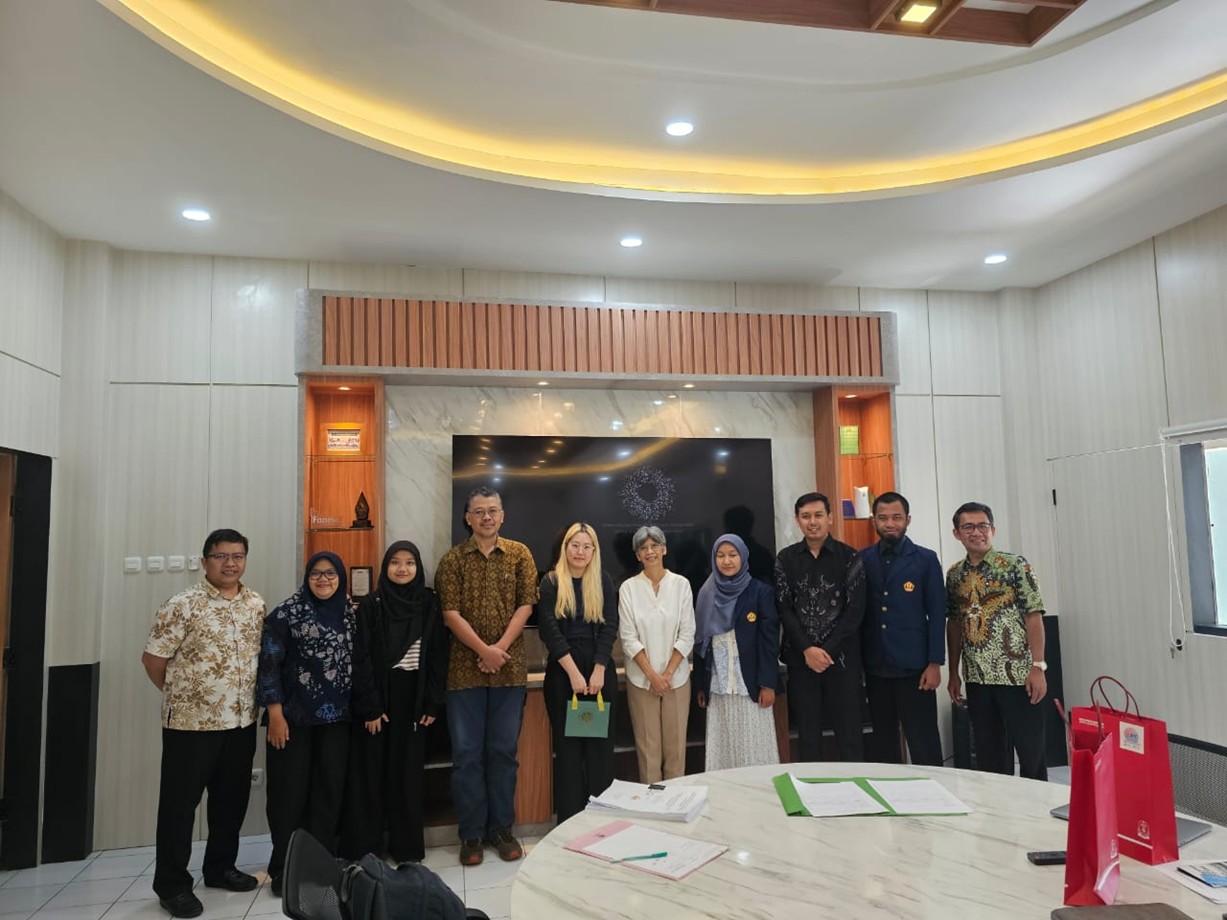
The Faculty of Agriculture, Universitas Padjadjaran (Faperta Unpad), welcomed a delegation from Gyeongsang National University (GNU), South Korea, together with IPB University, to explore the establishment of a smart agriculture education consortium in West Java. This visit was part of the Leading University Project for International Cooperation (LUPIC), which promotes international collaboration in agricultural education and research. Previously, GNU had collaborated with IPB University in establishing an undergraduate Smart Agriculture Smart Agriculture Study Program supported by the Ministry of Education of South Korea. The visit to Faperta Unpad marked an initial step toward expanding institutional partnerships and strengthening synergy among universities in advancing future agricultural education.
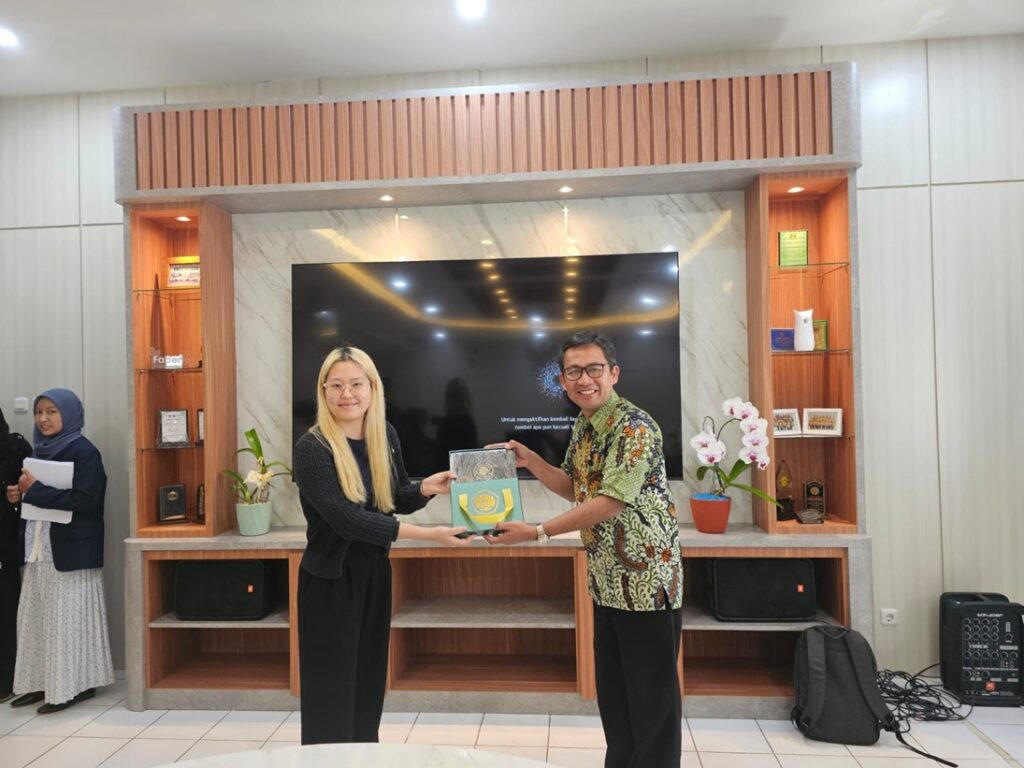
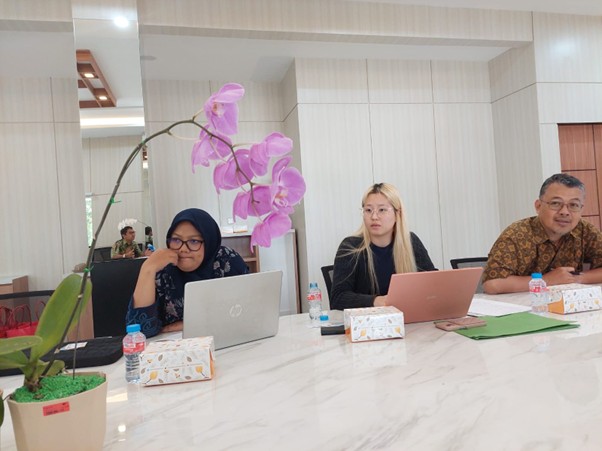
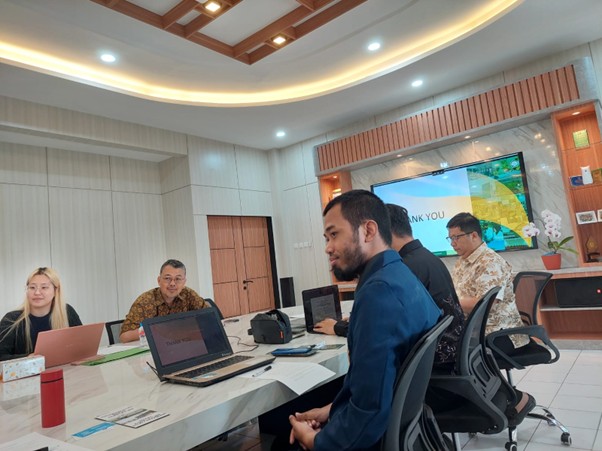
The visit aimed to assess the readiness and opportunities for implementing smart agriculture education across leading universities in West Java. Faperta Unpad was recognized for its strong academic capacity, extensive international network, and commitment to sustainable tropical agriculture development. The GNU delegation was represented by Yoomin Kim, Liaison Officer of GNU, accompanied by Dr. Bambang Tri Sasongko and the IPB University team. During the meeting, Faperta Unpad expressed strong interest in the proposed consortium and identified opportunities to integrate smart agriculture concepts through the planned International Undergraduate Program (IUP) scheduled to be launched in 2027.
Through the IUP scheme, smart agriculture concepts can be gradually implemented without the immediate need to establish a new study program. This approach is considered more adaptive and realistic, while opening opportunities for cross-department collaboration and strengthening the faculty’s international competitiveness. Curriculum integration, student exchanges, and joint research initiatives are among the potential areas for development within the consortium. In this context, Faperta Unpad is well positioned to contribute actively to building an innovative and globally oriented agricultural education ecosystem.
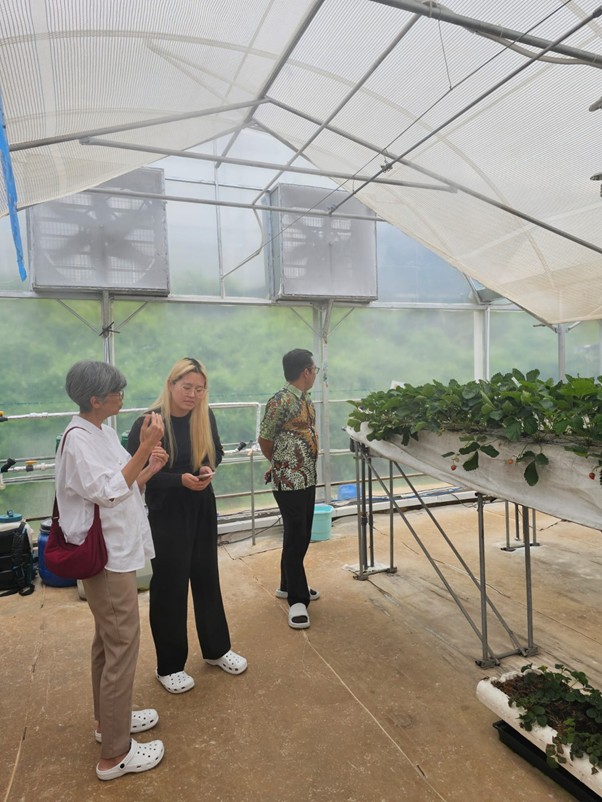
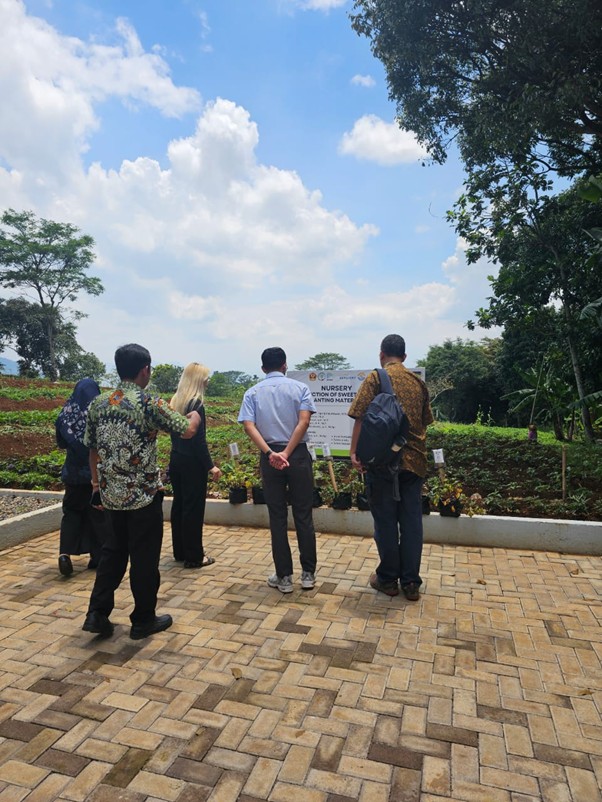
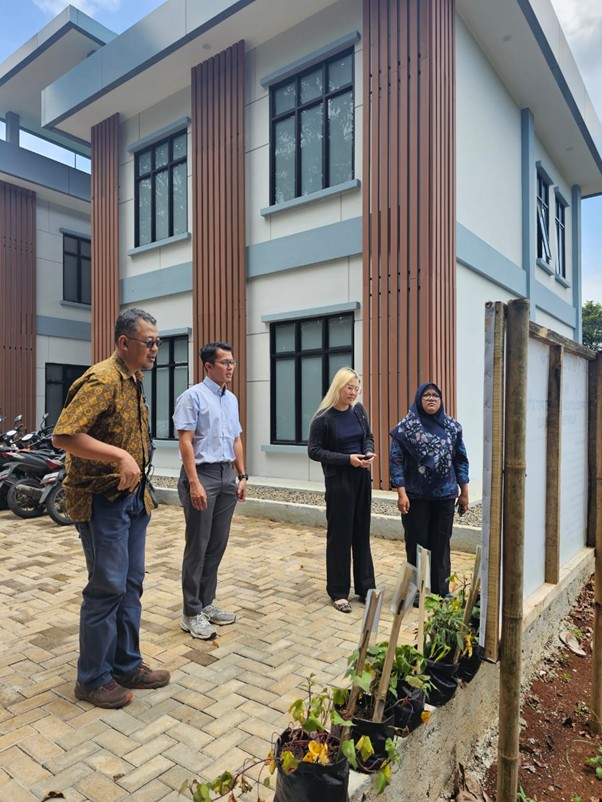
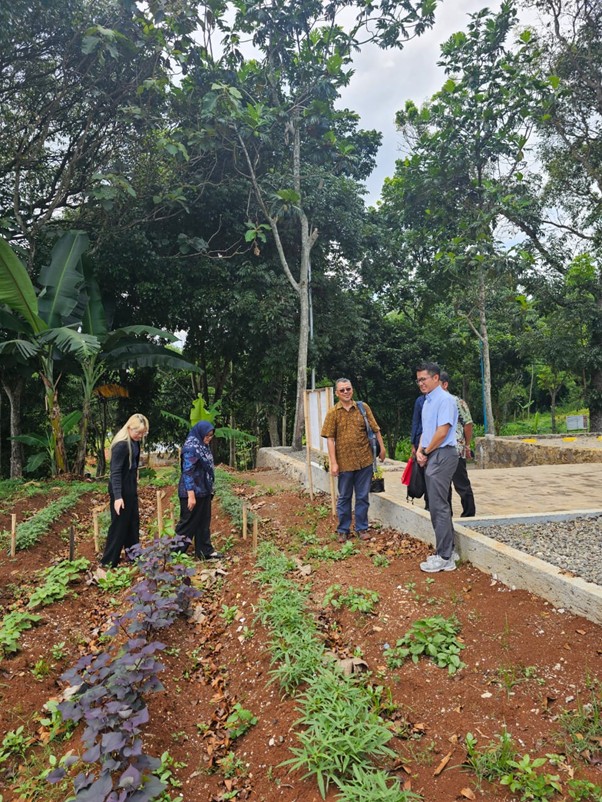
The visit also included field observations at several agricultural development units of Universitas Padjadjaran. At Bale Tatanen, the delegation received a presentation by Prof. Dr. Reginawanti on the strawberry cultivation model at the Ichigo Greenhouse, which integrates Japanese technology to develop both introduced and local strawberry varieties in tropical conditions. The delegation also visited the Padjadjaran Center for Sweet Potato Research and Innovation Excellence (PRAISE) to observe the sweet potato germplasm collection and breeding programs, guided by Arif Affan Wicaksono, M.Agr. These visits demonstrated Unpad’s commitment to advancing adaptive tropical agriculture through applied research and technological innovation. The Faculty of Agriculture Unpad views the development of smart agriculture as a tangible contribution to achieving the Sustainable Development Goals (SDGs). This initiative aligns with SDG 4 (Quality Education) through the strengthening of innovation-based agricultural education, SDG 9 (Industry, Innovation, and Infrastructure) through the advancement of smart agriculture technologies, and SDG 17 (Partnerships for the Goals) through enhanced international collaboration among universities. An adaptive and inclusive smart agriculture approach also supports farmer welfare and sustainable food systems at the regional level. Through this consortium, Faperta Unpad aims to develop a sustainable, collaborative, and impactful model of agricultural education and innovation that benefits both society and the environment.
 English
  Indonesian